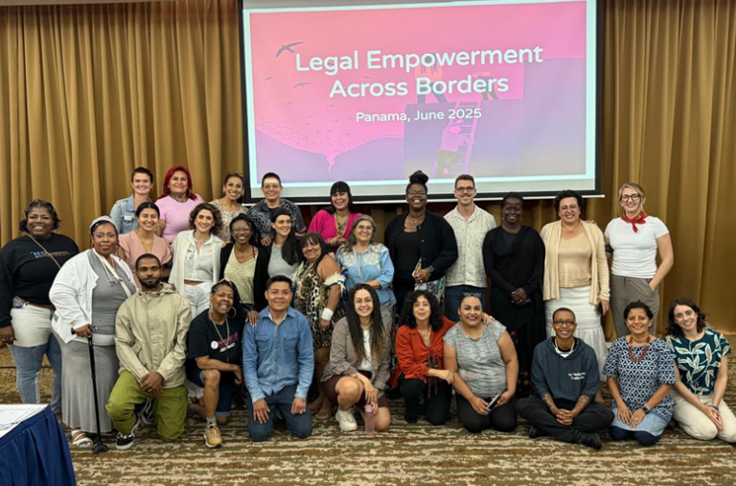
At the Legal Empowerment Fund (LEF), shifting power is not a slogan—it shapes how we fund, how we design grantmaking processes, and how decisions are made.
Participatory grantmaking is one core mechanism through which this shift happens, alongside flexible funding, rigorous due diligence, and long-term partnerships grounded in trust. These principles shape our work from strategy and design through selection and implementation.
Shifting Decision-Making to Communities
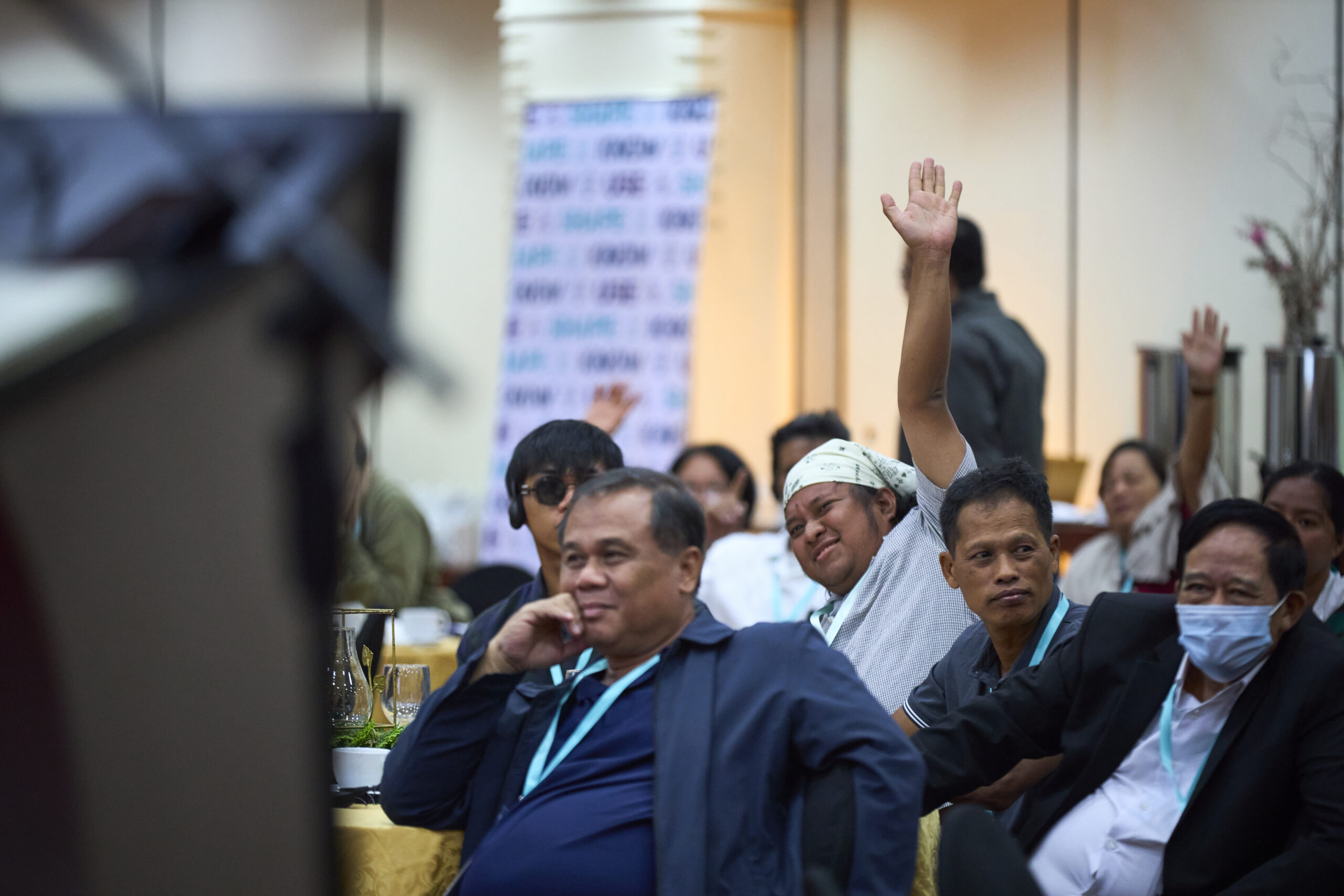
Participatory grantmaking seeks to create fairer, more inclusive, and more transparent funding by moving decision-making closer to those most affected by injustice. LEF applies participatory approaches through distinct but interconnected committees that guide each stage of the grantmaking process.
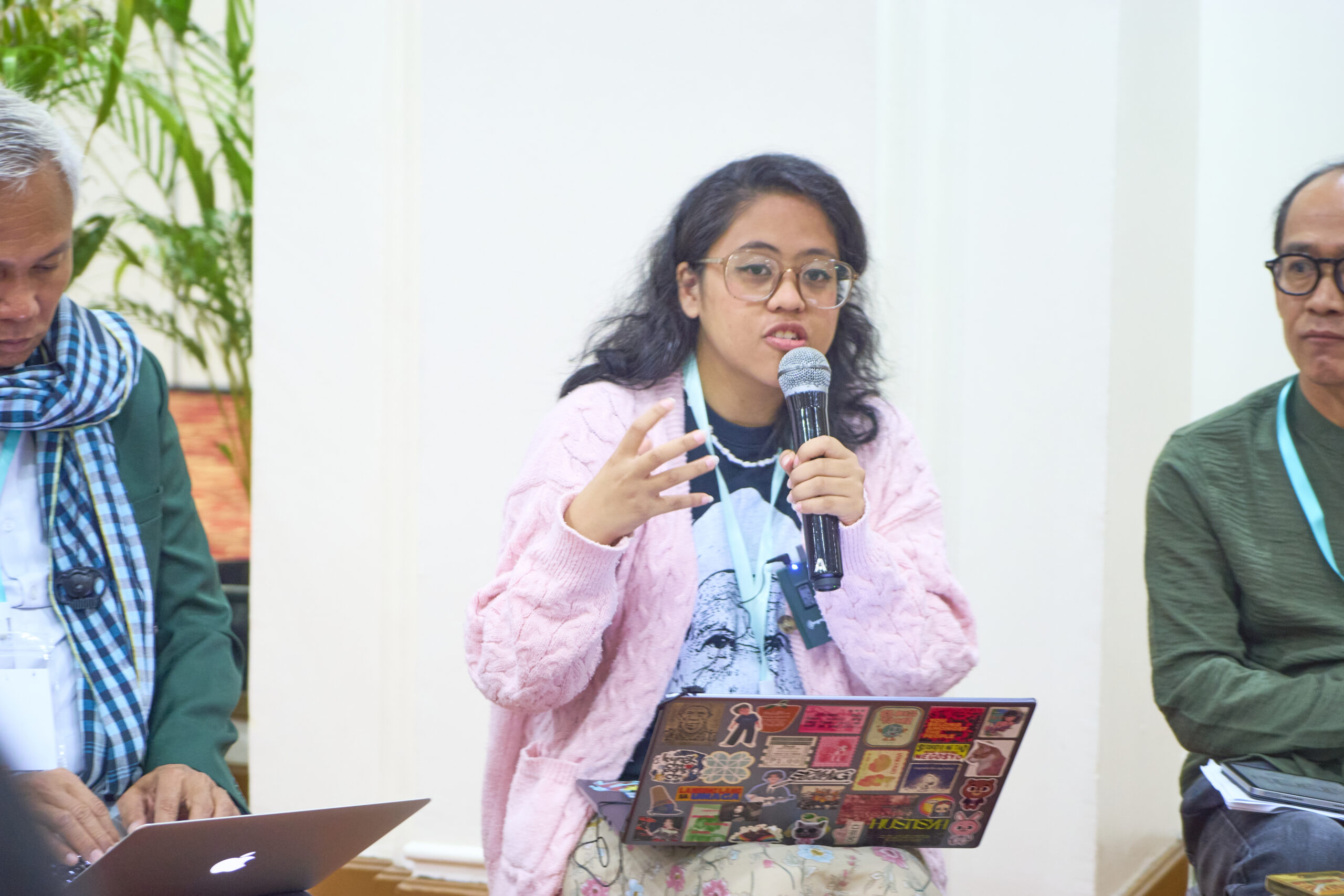
Co-design committees made up of community members and advocates convene at the start of grantmaking cycles. They shape funding opportunities from the outset—actually co-creating context-informed calls for proposals, rather than simply adapting calls designed internally. Grant selection committees, also composed of community members and convened on an ad hoc basis, ground funding decisions in local knowledge, reviewing applications through lived experience and contextual understanding.
Committee members are identified in consultation with in-country partners and trusted civil society networks, with attention to regional representation, lived experience, and relevant expertise. Because committees are convened for funding cycles, their composition reflects the context and priorities of each round. While co-design committees help define the scope and direction of funding calls, grant selection committees operate independently to review applications and recommend awards—ensuring both community leadership and procedural integrity at different stages of the process.
While LEF provides facilitation, due diligence, compliance screening, and fiduciary oversight, decision-shaping authority rests with community actors. In practice, LEF shoulders the procedural and administrative burdens—such as preparing briefing materials, managing documentation, conducting sanctions and regulatory screening, and structuring grant agreements—so that community members can focus entirely on strategic judgment. This reduces power imbalances while maintaining accountability, resulting in funding that is more transparent, inclusive, and responsive to real conditions on the ground.
Getting Resources to Places Others Cannot Reach
LEF often works in contexts where traditional grantmaking is difficult or impossible. Restrictive civic space, sanctions regimes, conflict, bank de-risking, and surveillance make it hard for many donors to move funds safely and legally. LEF has a specific commitment to supporting grassroots and community-based movements—including those that are small, less established, or less recognized—precisely because these groups are often disproportionately affected by injustice and are therefore closest to the remedies they seek.
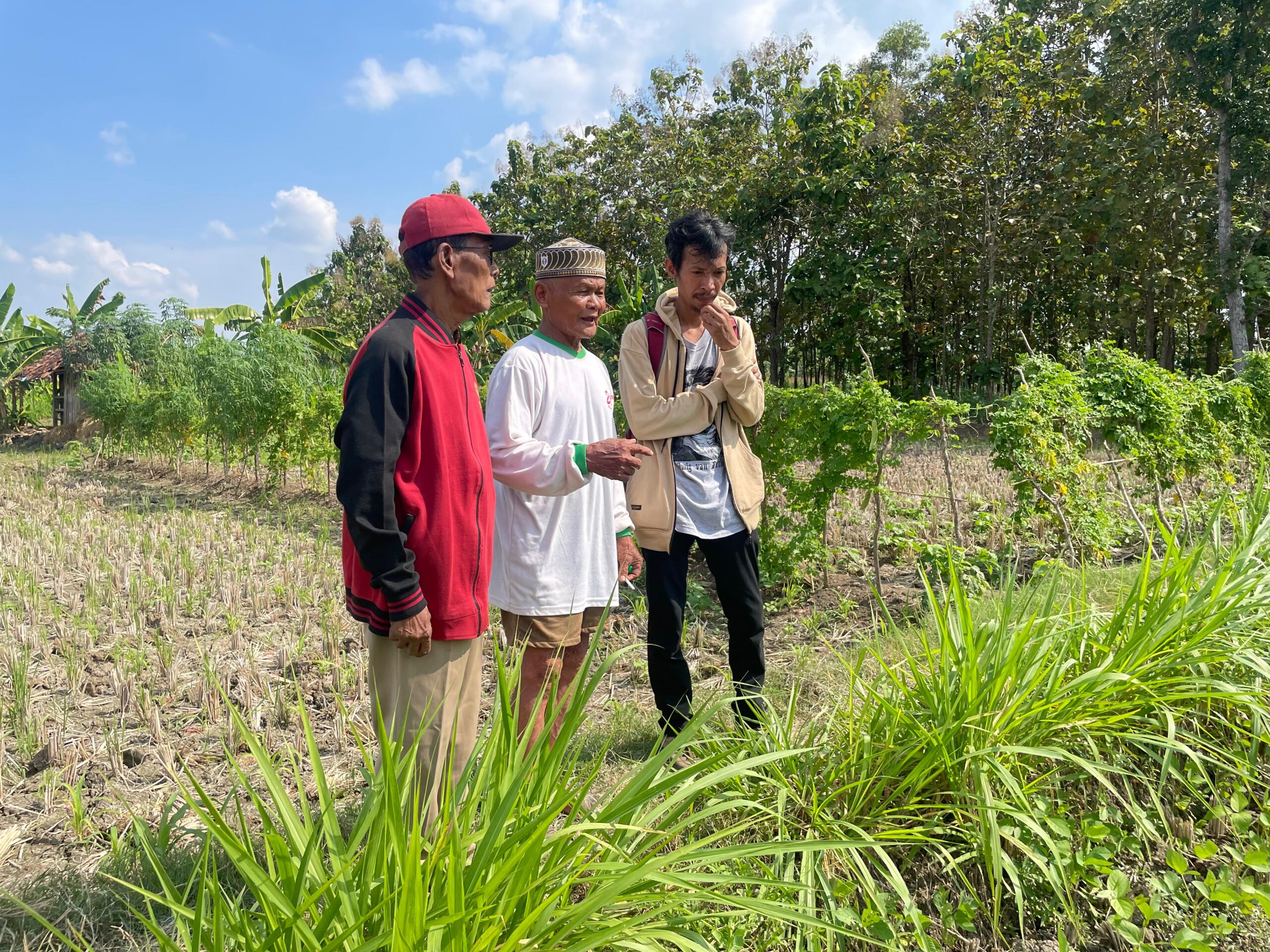
Operating in such environments requires constant adaptation. LEF assesses local regulatory contexts, monitors sanctions and policy changes, and works closely with trusted civil society networks to anticipate risk. Every grant undergoes enhanced due diligence and ongoing monitoring, often involving native-language documentation and frequent sanctions screening. We also plan payment routes carefully—assessing banking systems, remittance options, and contingency mechanisms—to ensure funds reach communities without compromising safety or compliance.
Why Flexible Funding Matters
For many grassroots groups, rigid project funding is a barrier rather than a solution. Legal empowerment work unfolds in unpredictable environments shaped by political shifts, crises, and opportunities that cannot be planned years in advance.
LEF’s commitment to flexible funding enables groups to respond to changing realities. This includes supporting women- and youth-led movements facing registration or banking barriers; supporting emerging groups transitioning from informal collectives to registered organizations; and sustaining legal empowerment work in active conflict zones when other donors withdraw.
In these contexts, flexibility has enabled groups to address immediate justice needs, adapt activities quickly, and build long-term capacity—rather than abandoning work when conditions change.
Common Challenges Across Contexts
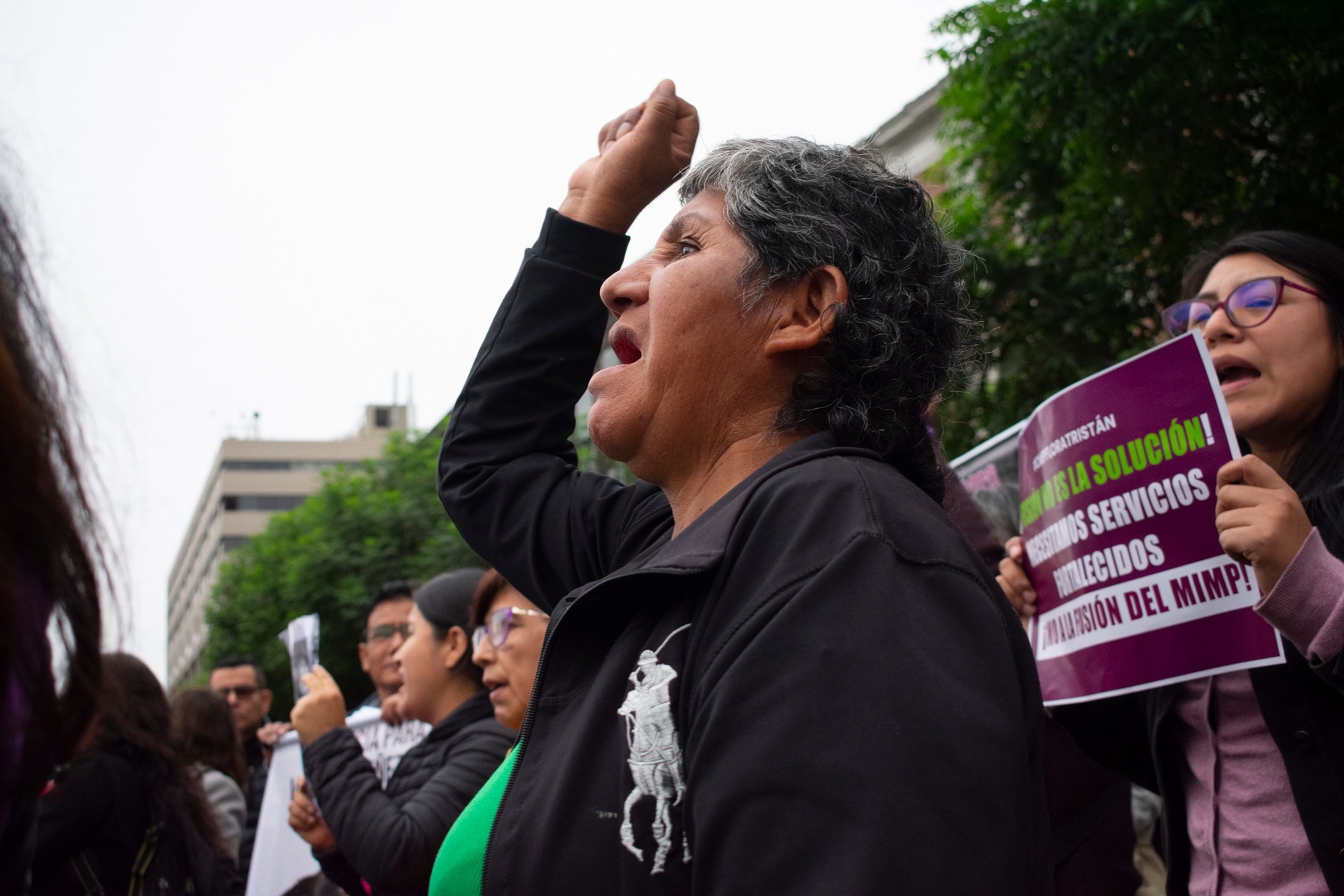
Despite operating in different regions, the groups LEF supports face similar recurring challenges. Shrinking civic space often manifests through excessive bureaucracy, arbitrary registration requirements, and laws used to target civil society—including anti-terrorism, anti–money laundering, and counterterror financing frameworks. Justice advocates and human rights defenders are increasingly criminalized through surveillance, red-tagging, hacking, and harassment.
In some contexts, militarization and heightened security environments create risks for organizers and their families. Indigenous communities, women, and youth are frequently excluded from decision-making and are often disproportionately affected by restrictions on civic participation and public accountability.
These realities shape how legal empowerment work must be funded and supported—with safety, adaptability, and trust at the center.
How Grantee Partners Shape LEF’s Approach
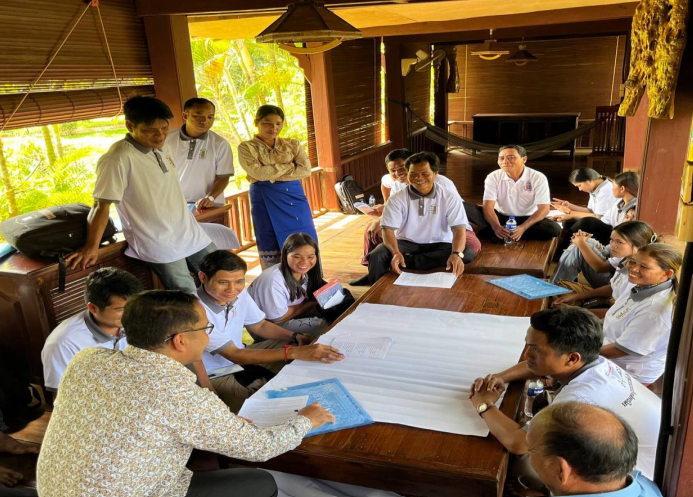
LEF’s grantmaking model is continuously informed by the groups we support. Conversations, site visits, and long-term relationships have reshaped how LEF evaluates risk, conducts due diligence, and designs funding mechanisms. Learning directly from partners has sharpened our understanding of how laws are used in practice, how language can carry unintended consequences, and how compliance processes must be adapted to different contexts.
This feedback loop ensures that LEF’s systems evolve alongside the realities faced by communities rather than remaining fixed or abstract.
Shifting Power Through Legal Empowerment
Legal empowerment returns power and agency to communities. It enables people to access legal knowledge and use it collectively to confront shared challenges. It strengthens community control over resources, strategies, and futures.
In this context, LEF’s role becomes clear. We combine meaningful participatory grantmaking and flexible, trust-based funding with deep experience operating across diverse and restrictive contexts. LEF also supports work many funders cannot or will not—while remaining accountable, compliant, and grounded in community leadership.
Legal empowerment, in practice, is not only about using the law. It is about who gets to shape it—and whose realities it serves.