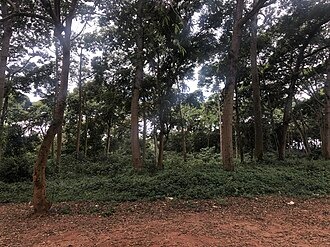
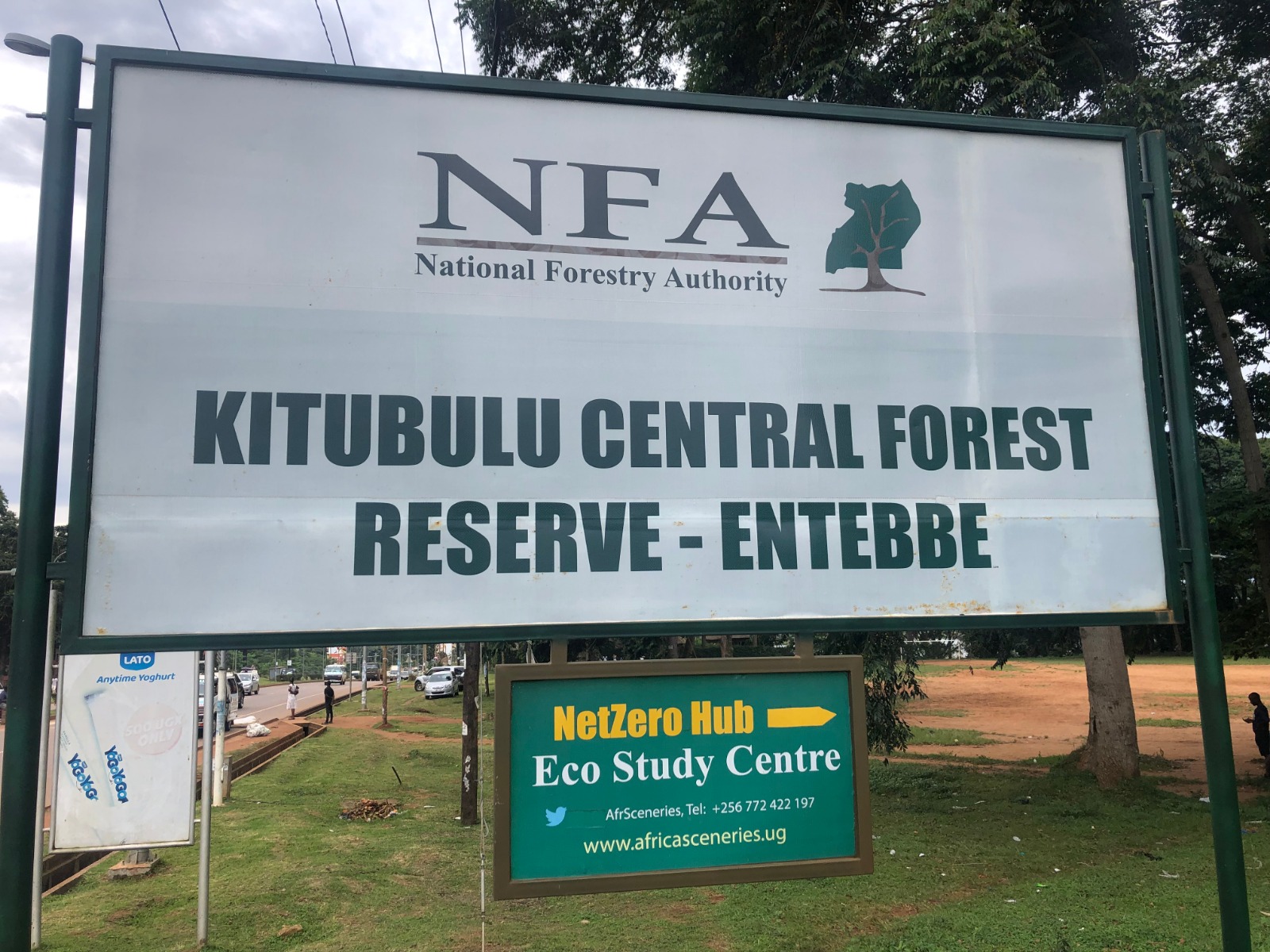
Uganda’s Kitubulu Central Forest Reserve sits along the shores of Lake Victoria near the town of Entebbe, in Wakiso District, south of Kampala. For the communities around it, the forest is part of daily life—protecting water sources, supporting small-scale livelihoods, and shaping a shared sense of place.
When news broke that 150 acres of the forest had been allocated to a private developer, local communities understood it as a direct threat—to the forest and to the people who depend on it. Just as critically, many community members and local leaders say they were not consulted.
What followed was not a single intervention, but a groundswell of actions led by communities determined to defend what they saw as a shared resource and responsibility.
From exclusion to collective action
The illegal allocation of forest land, combined with the absence of public consultation, triggered widespread concern. For many residents, the issue was not only environmental. It was about being excluded from decisions affecting a legally protected space tied to their livelihoods and identity.
Kitubulu is widely understood locally as a community-nurtured forest—one that has long been cared for and relied upon. This sense of ownership transformed the issue from a technical land-use decision into a collective defense of place.
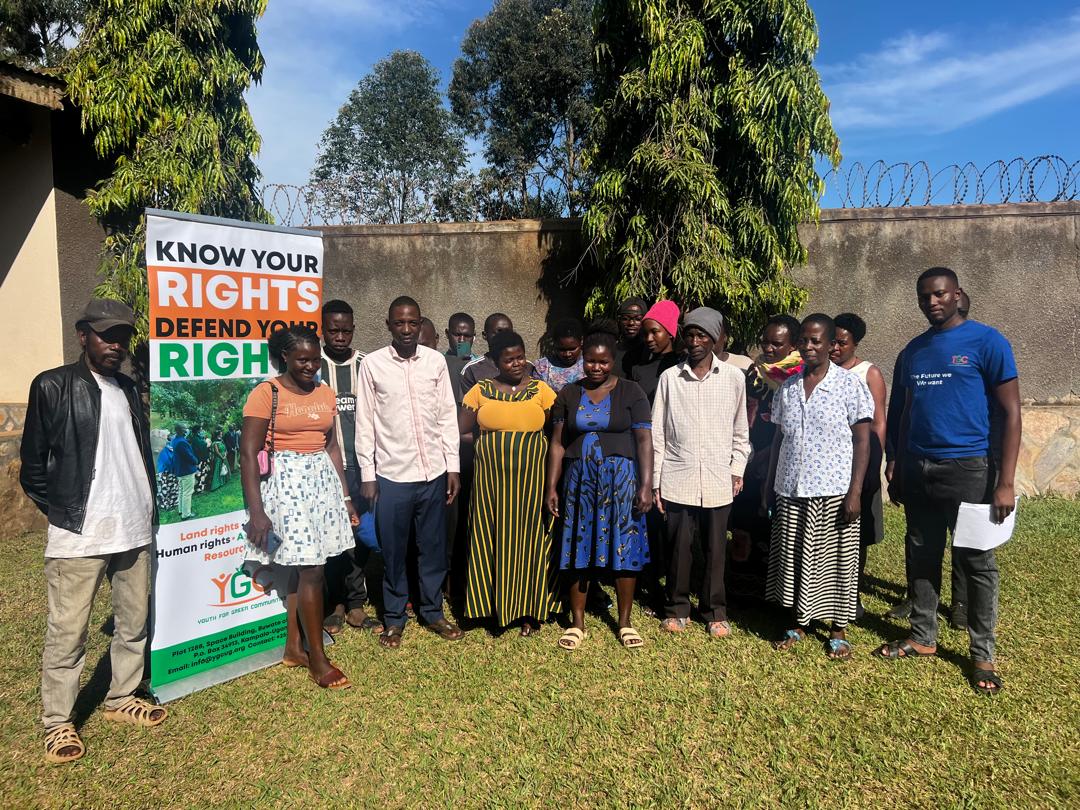
Community members, local leaders, and civil society actors began to organize.
Mobilization took multiple forms. Community-led campaigns on social media raised awareness about the land allocation and the lack of transparency surrounding it. Local leaders publicly challenged the decision and called for accountability. Organizers circulated petitions, gathering signatures from residents and supporters, directed to government ministries, agencies, and the President Yoweri Museveni.
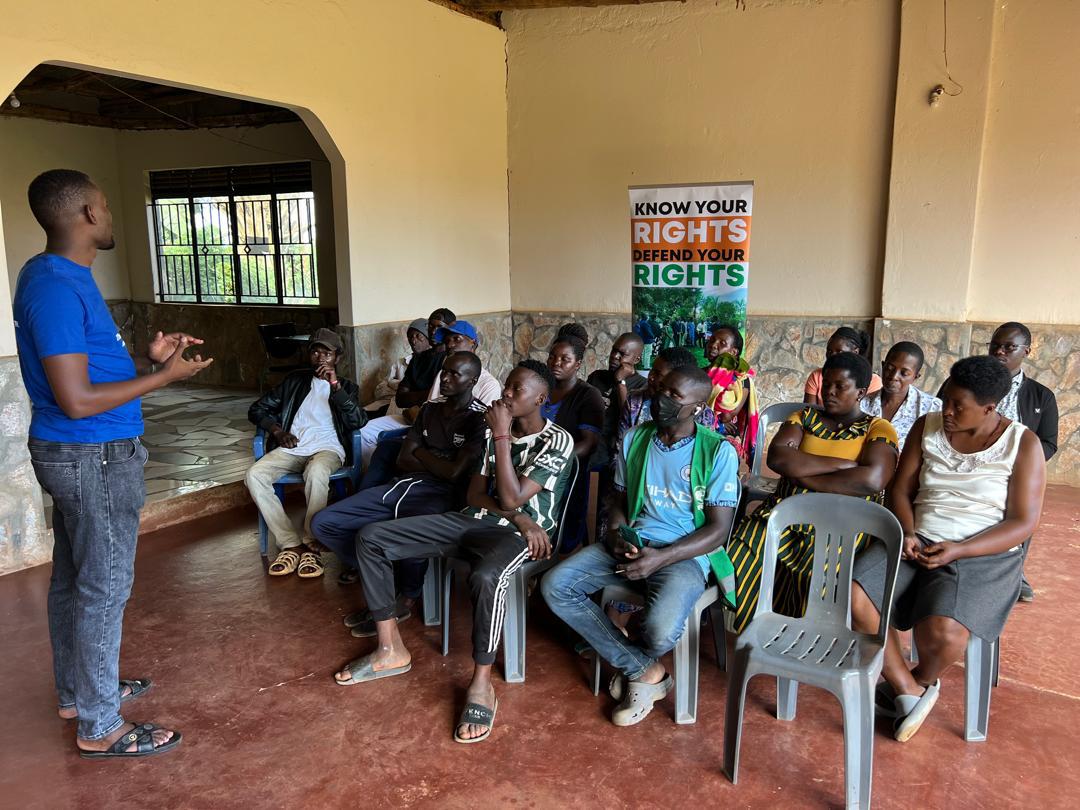
At the same time, civil society organizations, including LEF grantee partner, Youth for Green Communities (YGC), worked alongside communities to support legal engagement, coordinate advocacy efforts, and pursue formal avenues. They wrote to regulatory bodies, such as the National Environment Management Authority (NEMA) and the National Forestry Authority (NFA) and prepared for potential legal action.
Community members also engaged directly with local government structures. The resident district commissioner—a local official appointed by the central government—publicly condemned the allocation, reinforcing the legitimacy of community concerns. Media coverage elevated the issue to national attention, increasing pressure on decision-makers.
This combination of public pressure, legal framing, and institutional engagement shifted the dynamics of the case. The decision did not shift on its own—through organizing local communities forced the matter.
A decision reversed—and what it changes
The turning point came when President Museveni publicly ordered the cancellation of all land titles linked to the allocation and rejected the proposed development’s bid for approval. The decision halted the project.
For communities, the significance goes beyond stopping construction.
Protecting the forest helps safeguard water sources, reduce flooding and soil erosion, and support livelihoods—from regulated firewood collection to local businesses. It also protects access to medicinal plants and contributes to more stable environmental conditions for farming, including clean water for domestic use, fishing, and small-scale agriculture.
As one community member put it:
“When the forest is cut, our wells dry and our gardens fail. Protecting it is protecting our food and our children.”
The decision has also shifted what communities believe is possible. Where decisions once appeared closed and predetermined, there is now a clearer sense that organizing, petitioning, and sustained engagement can influence outcomes.
“We can now say no to illegal encroachment. Development must not destroy the resources our people depend on,” a local leader reflected.
Law, accountability, and what comes next
The successful campaign to save Kitubulu reflects not only a policy reversal, but a moment where communities asserted their role in holding decision-makers accountable. The process underscores a central element of legal empowerment: the ability of communities to understand, use, and invoke the law to protect their rights.
In this case, advocacy did not rely on legal arguments alone. It combined legal awareness with collective action, public pressure, and engagement with formal institutions.
As one local lawyer noted:
“This decision reminds authorities that the law is not optional. Any activity in a gazetted forest must follow due process, and communities have a right to be consulted and protected.”
The implications extend beyond a single forest. Communities across Uganda—particularly those living near protected areas such as Mabira, Bugoma, and Zoka—have faced similar pressures from commercial interests and land-use changes.
For the communities around Kitubulu, this is not an endpoint. It is a reference point: a demonstration that decisions affecting land, environment, and livelihoods are not beyond challenge, and that collective action can influence how laws are applied in practice.
This work was supported through the Legal Empowerment Fund, which backs community-led efforts to advance access to justice and strengthen the ability of communities to organize, engage institutions, and defend their rights.
Today, the forest remains.
So does something less visible, yet just as significant: a shift in what communities expect from power, and what they know they can challenge.
About Youth for Green Communities (YGC)
Youth for Green Communities is a youth-led organization dedicated to promoting sustainable environmental and natural resource management for socio-economic development, based in Kampala, Uganda. YGC is committed to influencing policies and practices that benefit the poor and vulnerable while addressing climate change challenges. Through research, advocacy, and community education, YGC strives to create inclusive and sustainable solutions that ensure environmental conservation and equitable development for present and future generations.
This story was produced by the Legal Empowerment Fund in collaboration with Youth for Green Communities.