Across the Caribbean, decisions about land, resources, and development are often made without the meaningful participation of the communities most affected.
Tourism expansion, extractive industries, and large-scale infrastructure projects continue to reshape coastlines, ecosystems, and livelihoods. These processes are often framed as development, yet they frequently proceed without community consultation, with limited accountability, and with uneven distribution of benefits and harms.
At the same time, access to justice remains constrained. The cost of legal action is high. Institutional pathways are difficult to navigate. In smaller island contexts, the social and economic risks of speaking out are real.
Legal empowerment shifts how communities engage with these conditions. It enables people to organize, use the law, and act collectively to influence decisions that affect their land, resources, and futures.
Last year, the Legal Empowerment Fund (LEF) team traveled throughout the Caribbean region to meet with frontline communities, civil society organizations, and lawyers working at the intersection of climate, land, and justice. Our findings pointed to both the urgency of these challenges and the limited access to legal tools needed to address them.
In response, LEF launched a call for applications to support grassroots legal empowerment initiatives in the Caribbean. The call drew strong interest from across the region, with a total of 72 applications received from 15 countries.
All applications were reviewed through a participatory process, using five core criteria: strategic relevance, rootedness, learning and accountability, feasibility and readiness, and overall portfolio fit. Through this process, 22 organizations across 11 countries were selected to receive support.
Together, these organizations reflect a wide range of community-led efforts spanning land and territorial rights, environmental and climate justice, Indigenous governance, access to natural resources, and challenges to exclusion from decision-making.
Below are the organizations and the work they are advancing.
What this support enables
Many organizations in the Caribbean operate with limited and short-term resources. Legal action is costly. Organizing takes time. And the consequences of challenging powerful actors are often borne directly by individuals and communities.
This support from the LEF allows these efforts to continue. It enables organizations to pursue legal strategies, respond to emerging threats, and strengthen their ability to engage institutions and decision-making processes.
It also contributes to a broader shift.
Throughout the region, environmental and climate work is not always connected to legal strategies that can influence decisions structurally. Many groups act to protect land and ecosystems but lack access to the legal tools and support needed to challenge how decisions are made.
The work supported here begins to change that.
It strengthens the ability of communities to not only respond to harm, but to contest decisions, assert their rights, and shape outcomes in contexts where power is often concentrated and accountability limited.
Meet the Grantee Partners
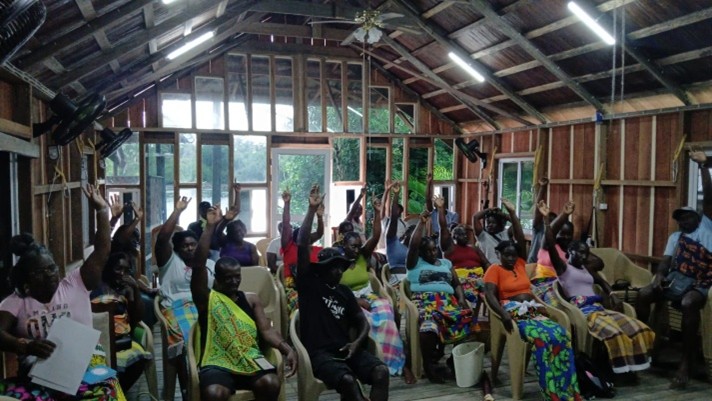
1. Association of Saamaka Communities | Suriname
Represents Saamaka Maroon communities across 74 villages, advancing legal recognition of collective land and human rights and strengthening advocacy at national and international levels.
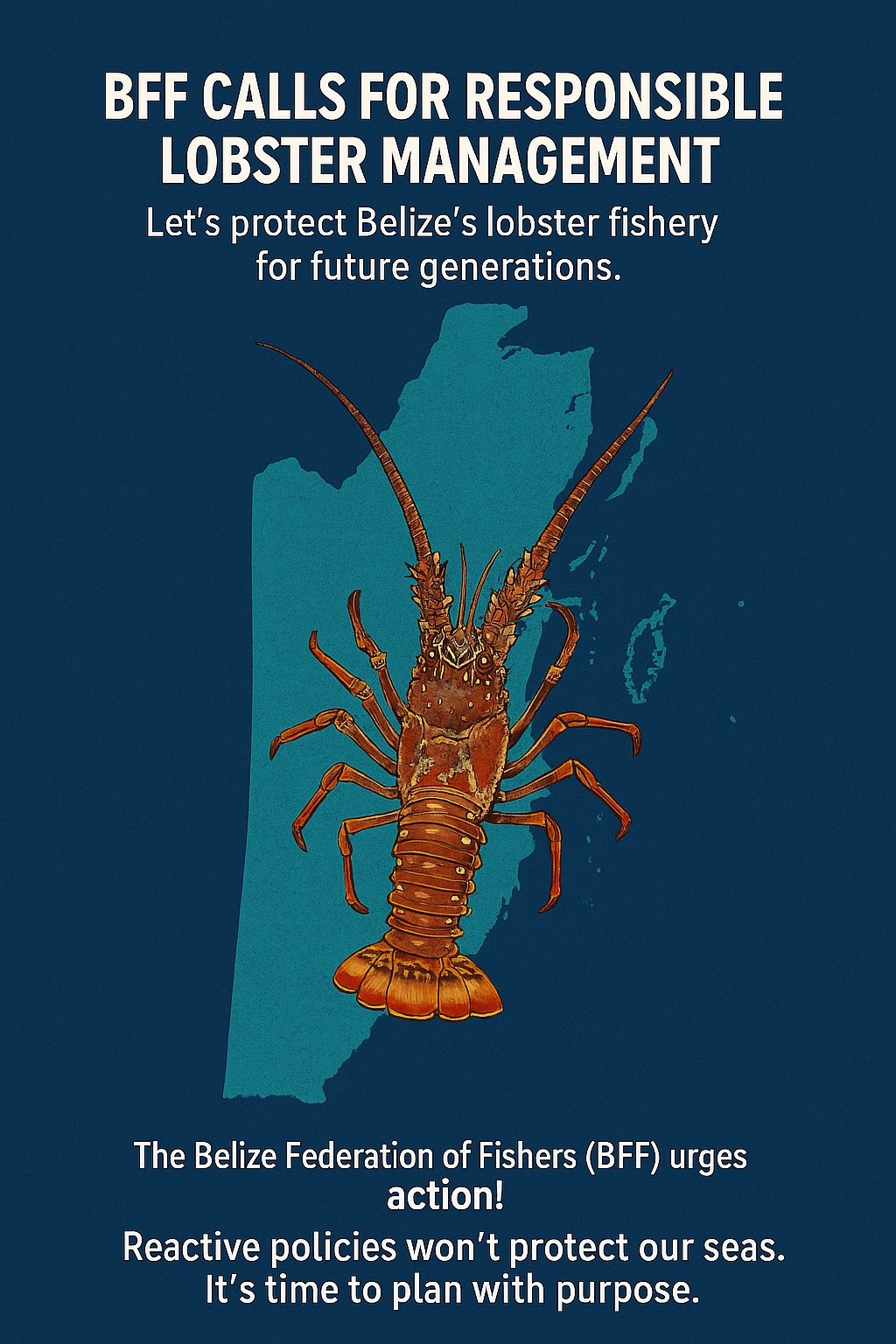
2. Belize Federation of Fishers | Belize
Unites traditional fishers to influence policy, protect marine resources, and defend equitable access to livelihoods and coastal ecosystems.
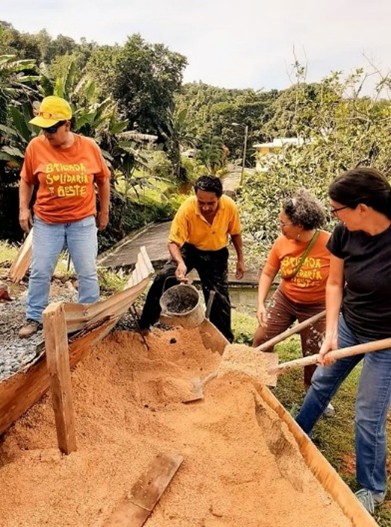
3. Brigada Solidaria del Oeste | Puerto Rico
A mutual-aid network supporting community recovery, land defense, and self-organized responses to environmental and social crises.
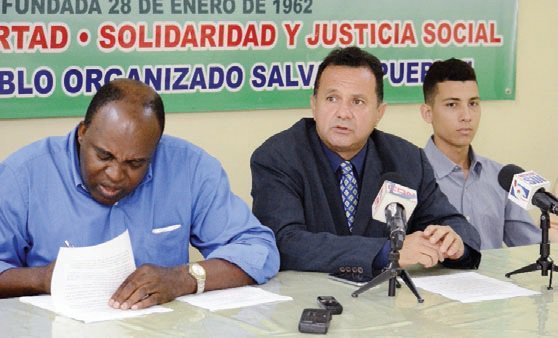
4. Fundación Étnica Integral | Dominican Republic
Works with marginalized and migrant communities to advance human rights, access to services, and community-led development.
5. Grenada Land Actors | Grenada
Advocates for transparent land governance, public participation, and accountability in development decisions affecting ecosystems and communities.
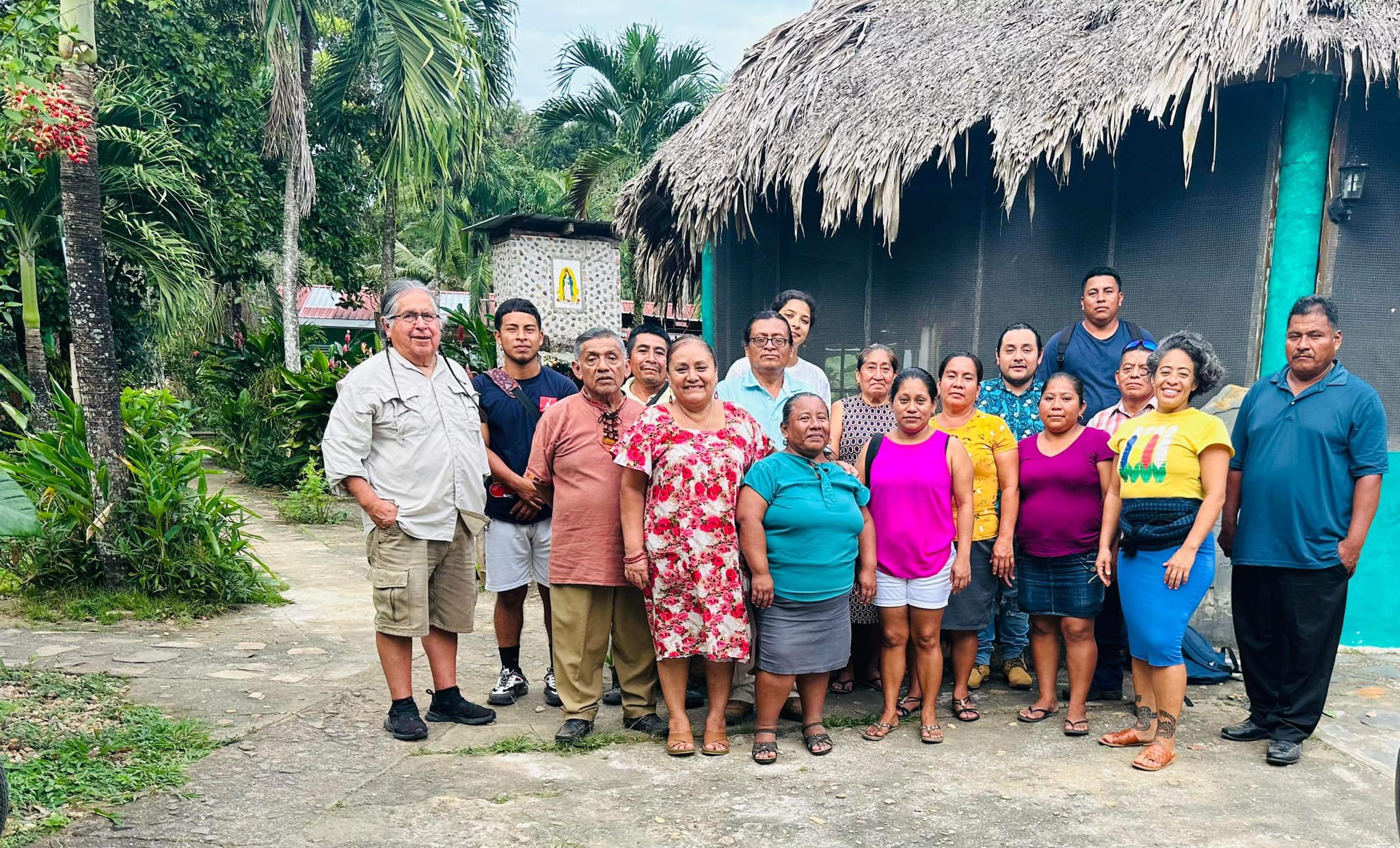
6. Ich-Komonil Organization | Belize
An Indigenous-led organization strengthening Maya livelihoods, cultural preservation, and land stewardship through community-defined approaches.
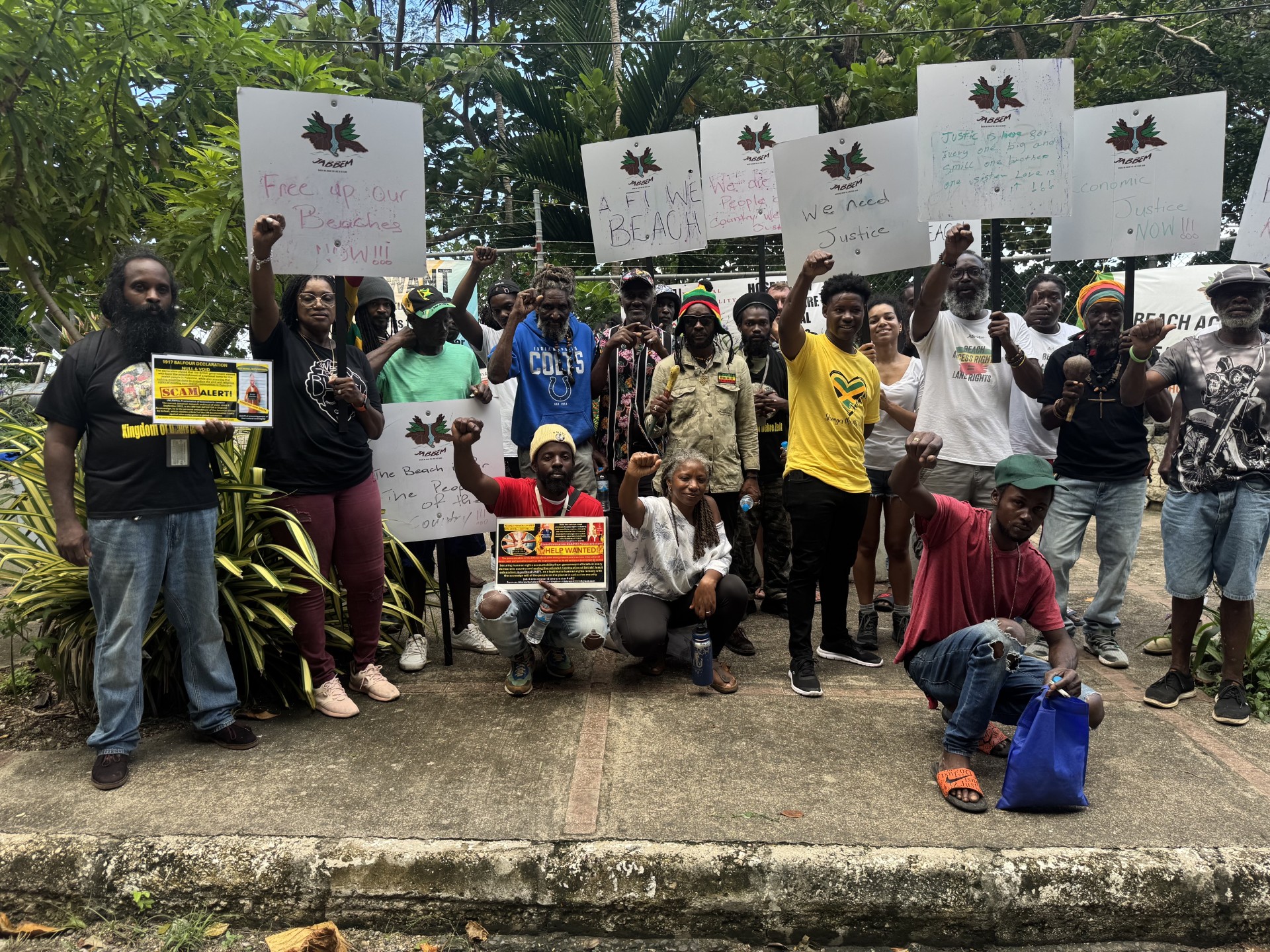
7. Jamaica Beach Birthright Environmental Movement (JaBBEM) | Jamaica
Leads legal challenges and advocacy to defend public beach access and challenge displacement driven by private development.
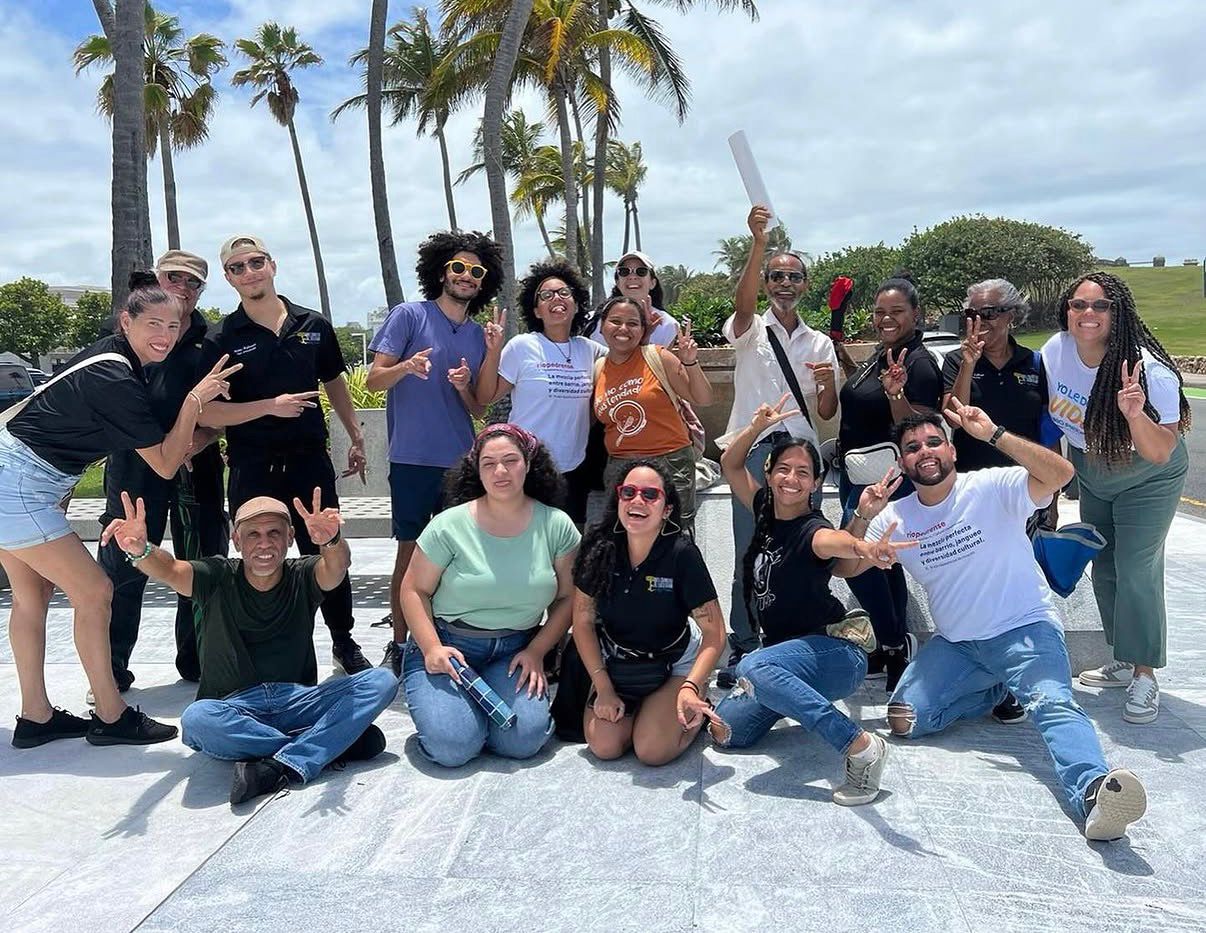
8. Junta Comunitaria del Casco Urbano de Río Piedras (JCCURP) | Puerto Rico
Advances housing rights, community planning, and legal strategies to protect residents from displacement and exclusion.
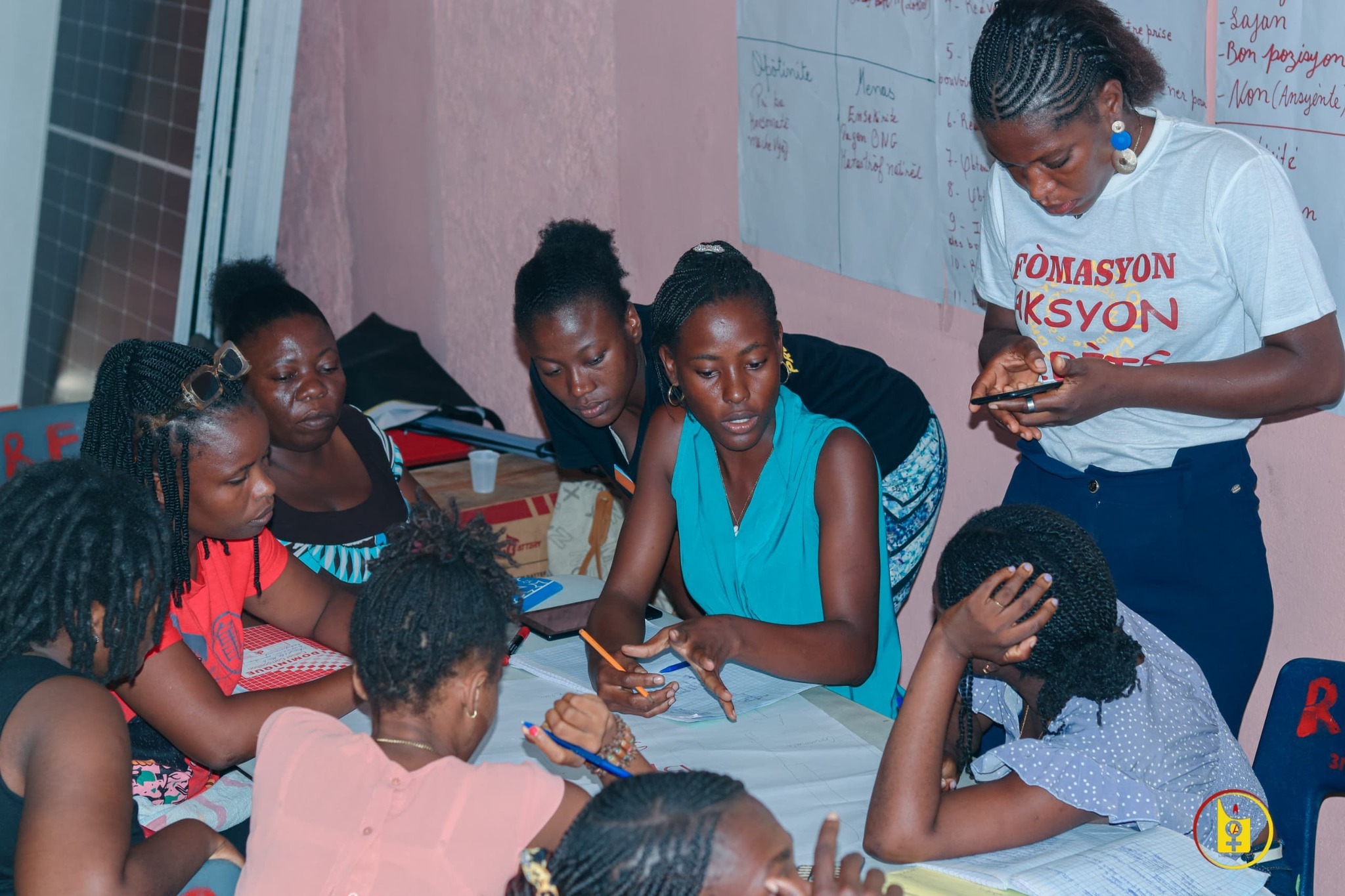
9. L’Organisation Chand’Elles Haïti | Haiti
A feminist and ecofeminist organization advancing legal awareness, community leadership, and responses to gender-based violence and environmental harm.
10. Patamasan Protectors of I’na Pata | Guyana
A grassroots Indigenous women’s organization working to protect customary lands and strengthen leadership in the North Pakaraimas region.
11. The Kalinago Council | Dominica
The governing body of the Kalinago Territory, advancing Indigenous land rights, self-governance, and culturally grounded development.
12. TransWave Jamaica Ltd. | Jamaica
The governing body of the Kalinago Territory, advancing Indigenous land rights, self-governance, and culturally grounded development.
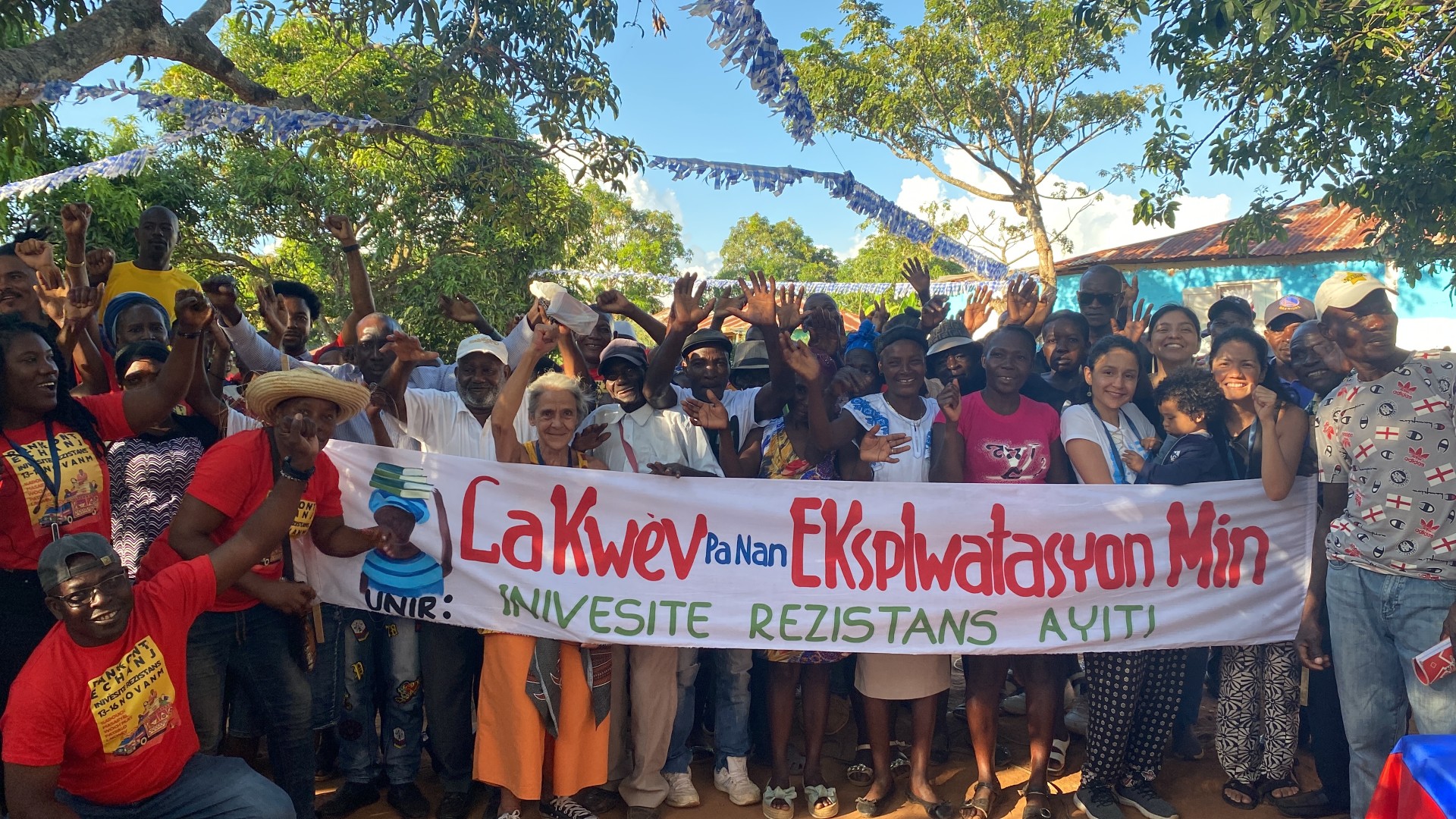
13. Universidad Itinerante de la Resistencia en Haiti | Haiti
Supports grassroots movements defending land and territory against extractive projects through collective organizing and knowledge exchange.
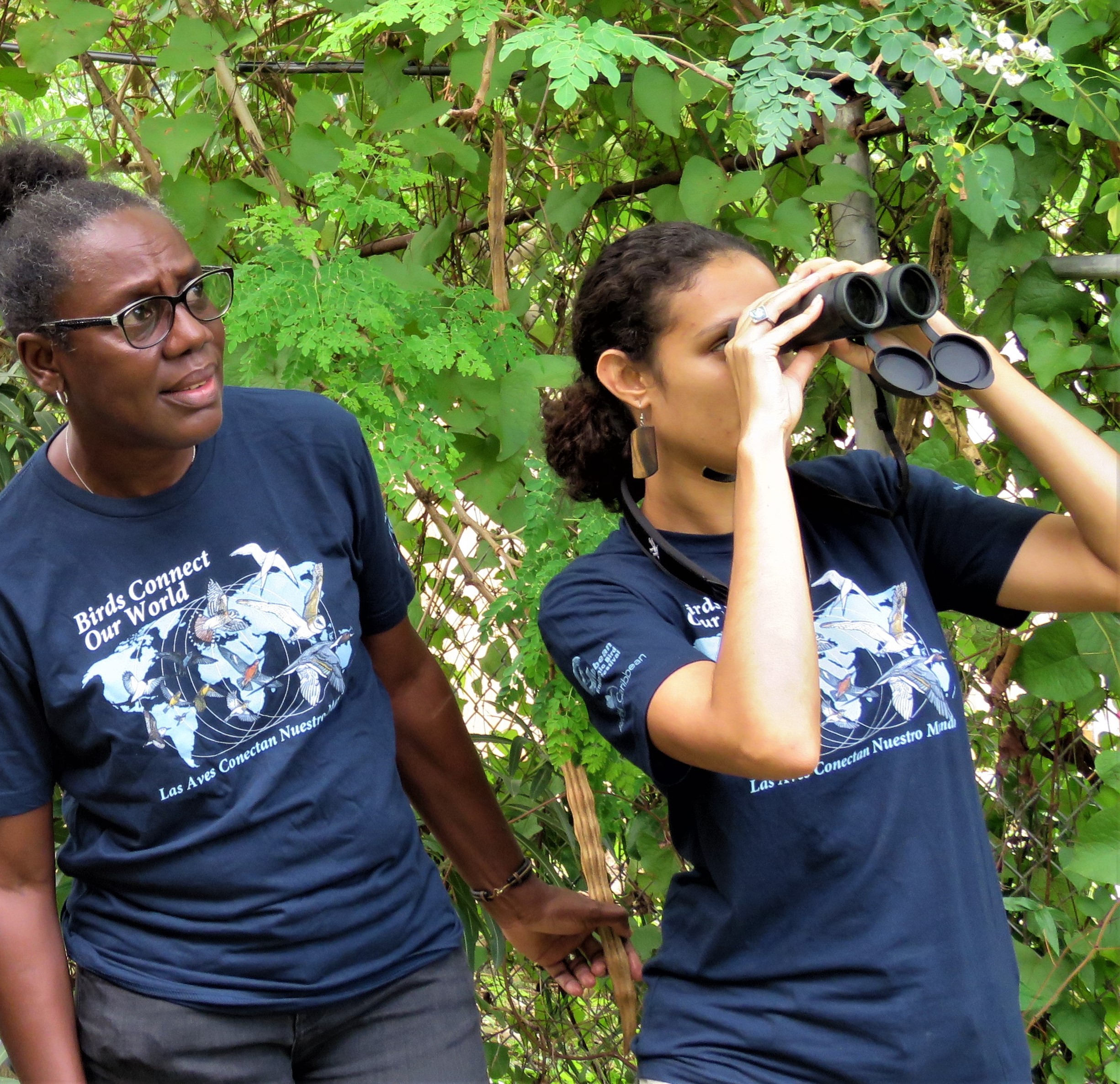
14. WildDominique Inc. | Dominica
A community-rooted conservation organization working at the intersection of biodiversity protection and local stewardship.
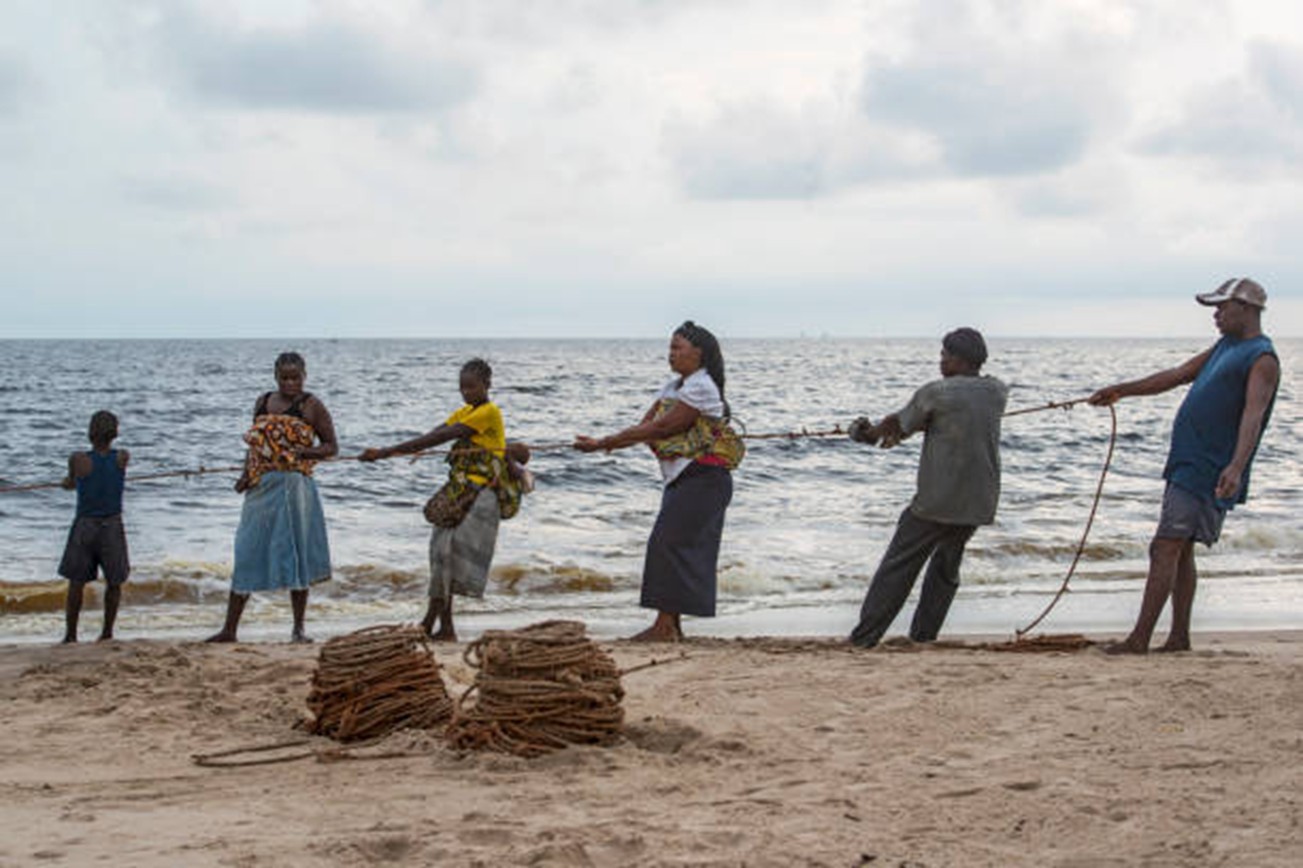
15. Woodford Environmental Alliance for Community Transformation (WEACT) | Grenada
Organizes communities to challenge environmentally harmful development and pursue accountability and restoration.
16. Youth Agriculture Homestead Programme Students | Trinidad and Tobago
A collective advocating for land access and building youth-led, climate-resilient food systems.
17. Freedom Imaginaries Limited | Jamaica
Uses strategic litigation and movement building to challenge extractivism and environmental injustice.
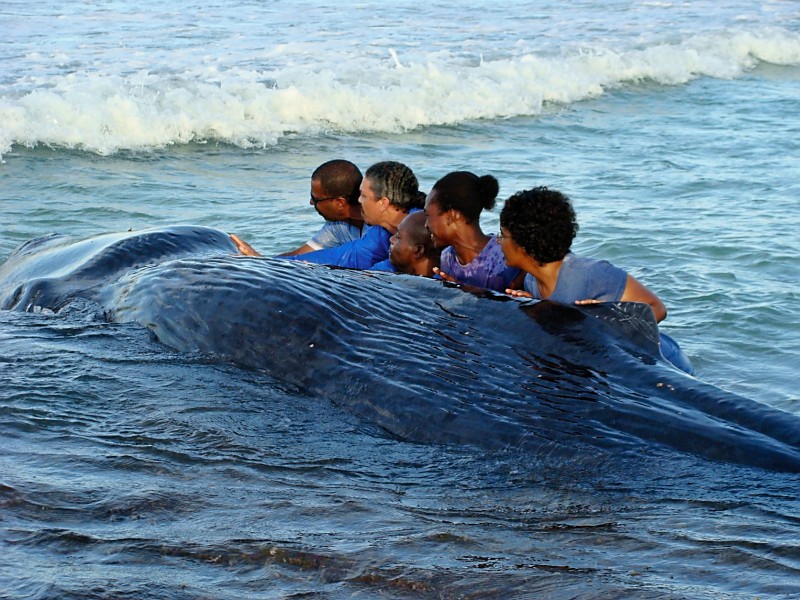
18. Jamaica Environment Trust (JET) | Jamaica
Combines legal advocacy and public engagement to protect natural resources and support environmental litigation.
19. Barbuda Land Rights and Resources Committee | Antigua and Barbuda
Defends communal land rights and supports community-led resistance to land dispossession.
20. Stronger Caribbean Together Network | Jamaica
Strengthens regional collaboration to address climate change, disaster risk, and food insecurity.
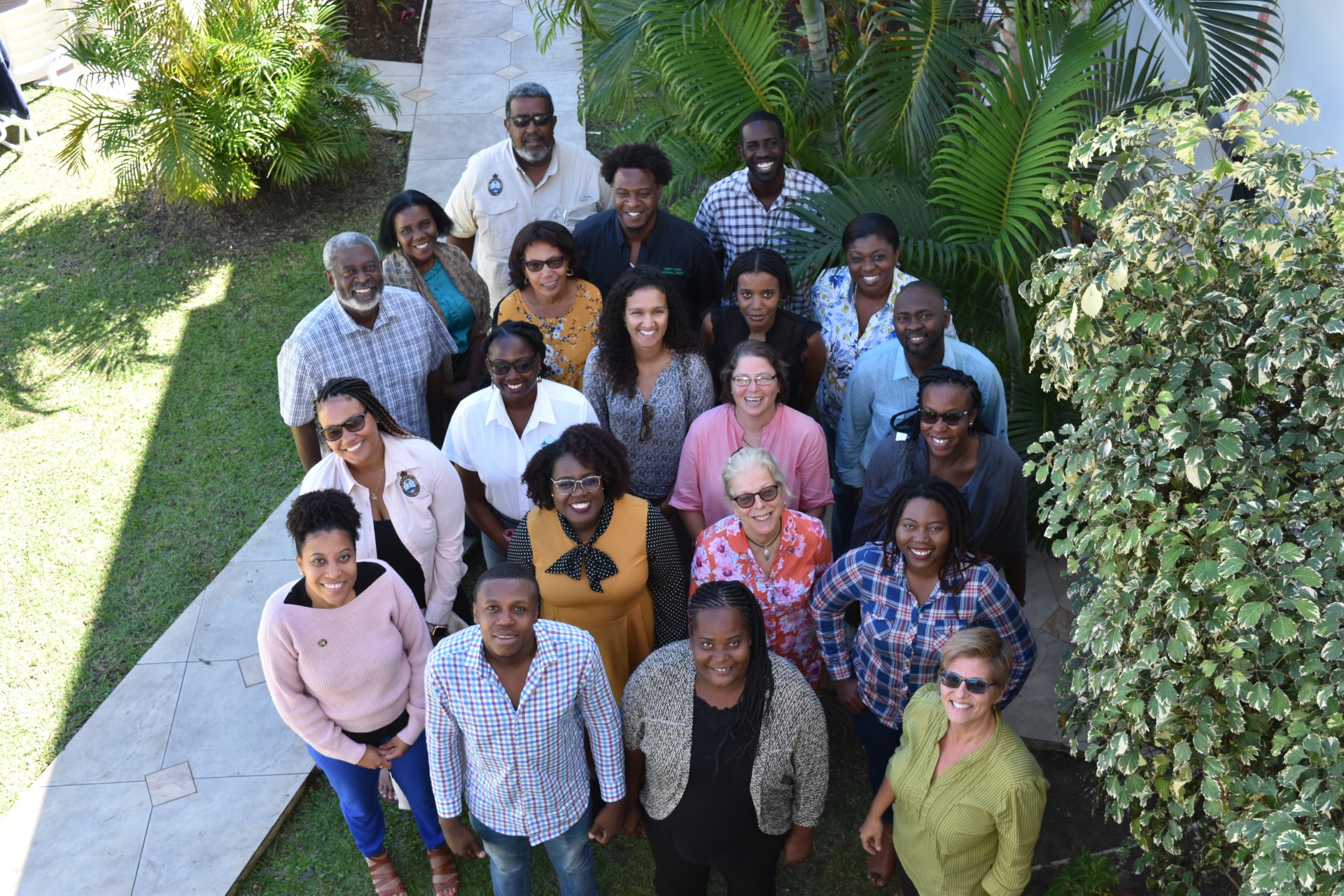
21. Caribbean Natural Resources Institute (CANARI) | Trinidad and Tobago
Supports community-led natural resource governance through research, capacity building, and policy engagement.
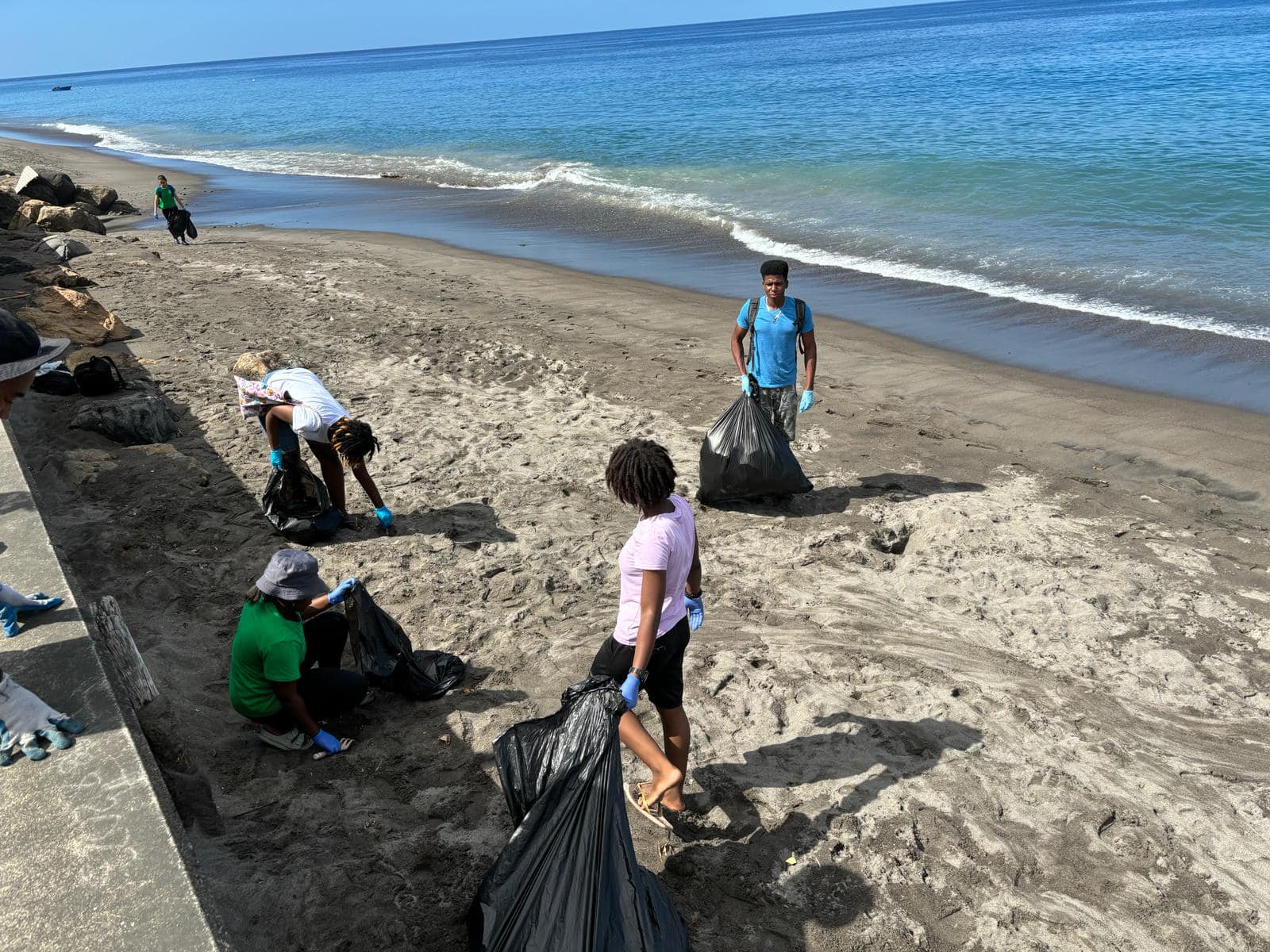
22. Waitukubuli Advocates for Viable Environment (WAVE) | Dominica
Leads advocacy and legal action to protect ecosystems and challenge large-scale infrastructure projects.