Legal empowerment often begins quietly. Not in courtrooms or parliaments, but when people who have fought alone for years finally find one another—and realize their struggles are shared.
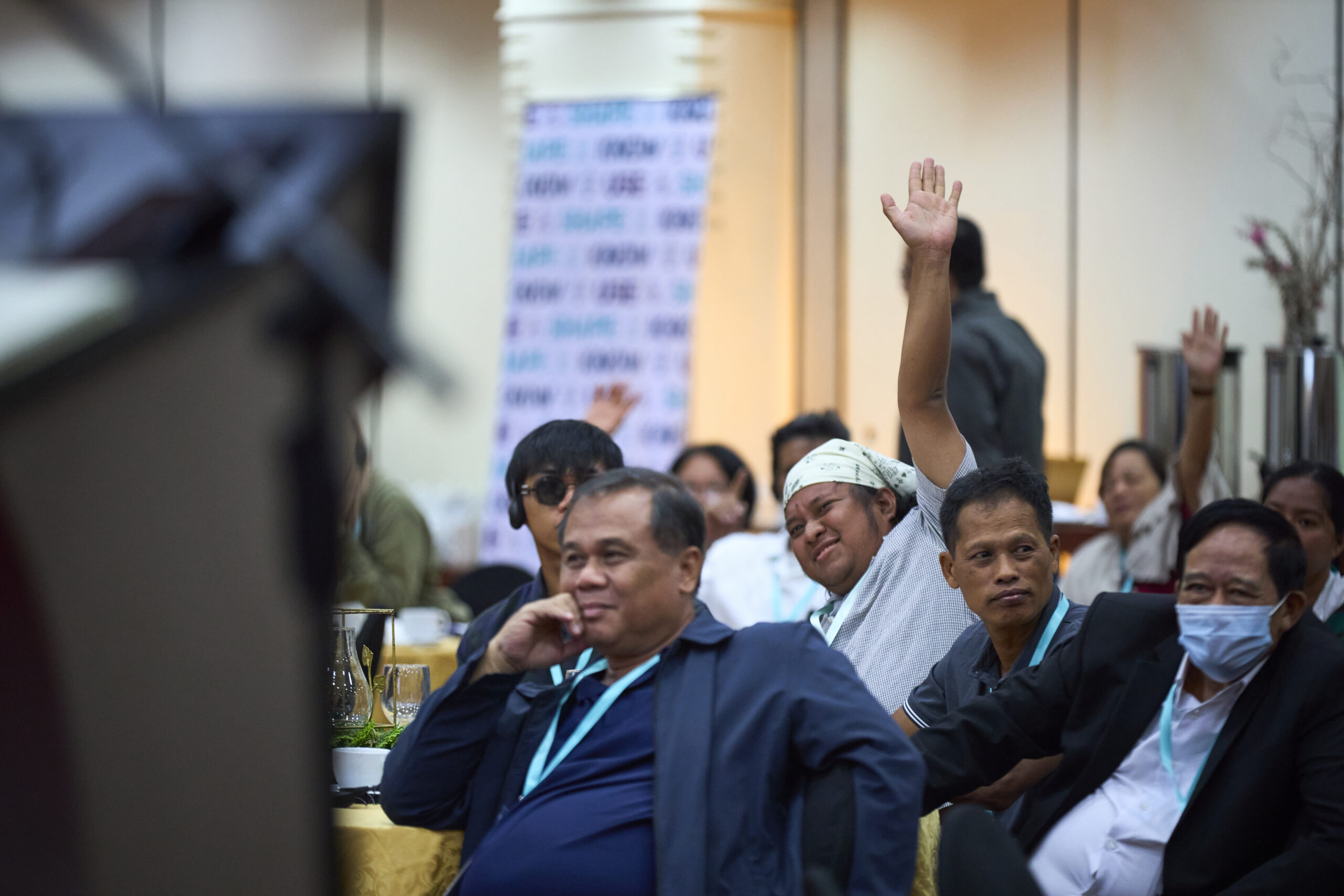
In September 2025, a diverse group of community organizers from across Southeast Asia met in Manila, Philippines, for a regional convening on land and environmental justice. Many had never met before. By the end of the gathering, they no longer felt like strangers.
Over five days, organizations from Cambodia, Indonesia, Malaysia, Myanmar, and the Philippines reflected on the growing challenges facing movements for land and environmental justice—shrinking civic spaces, increasing authoritarianism, and climate impacts that continue to deepen inequality. Together, they asked a shared question: How do we build people’s power when the space for organizing is closing?
One struggle, many frontlines
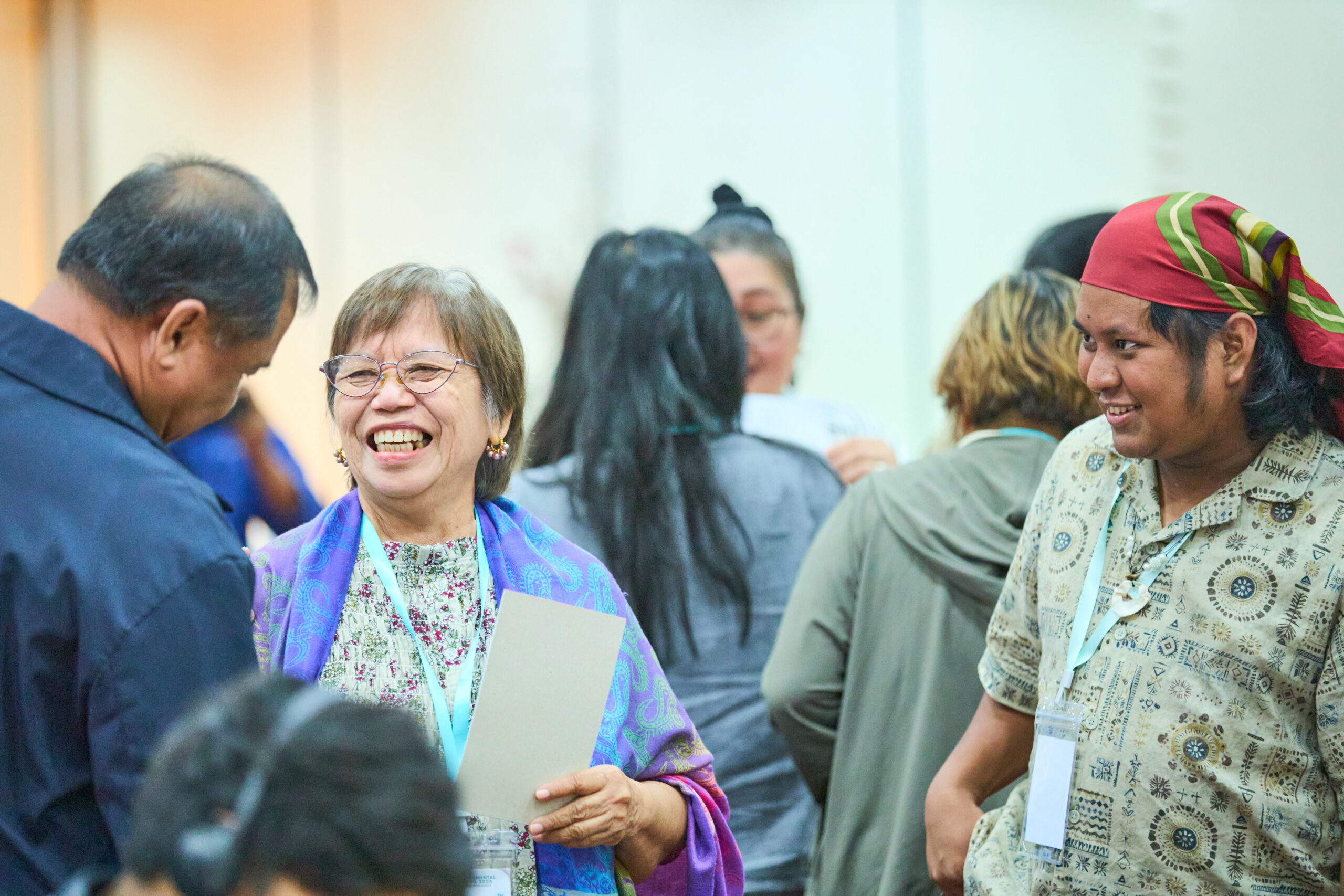
Across the region, movements for land and environmental justice are facing the same storm. From Myanmar and Indonesia to Cambodia and the Philippines, governments are tightening control over civil society through restrictive laws, surveillance, and criminalization. Corporations continue to seize ancestral lands and exploit natural resources with little accountability. And as the climate crisis deepens, those who dare to resist are being silenced or punished.
As one participant put it, “We realized we’re not crazy—the same things are happening everywhere.”
The convening revealed how this shared experience of repression has also generated shared resilience. Legal empowerment has become a lifeline: a way for communities to claim visibility, assert rights, and protect one another in hostile political environments.
Naming the system, shifting the power
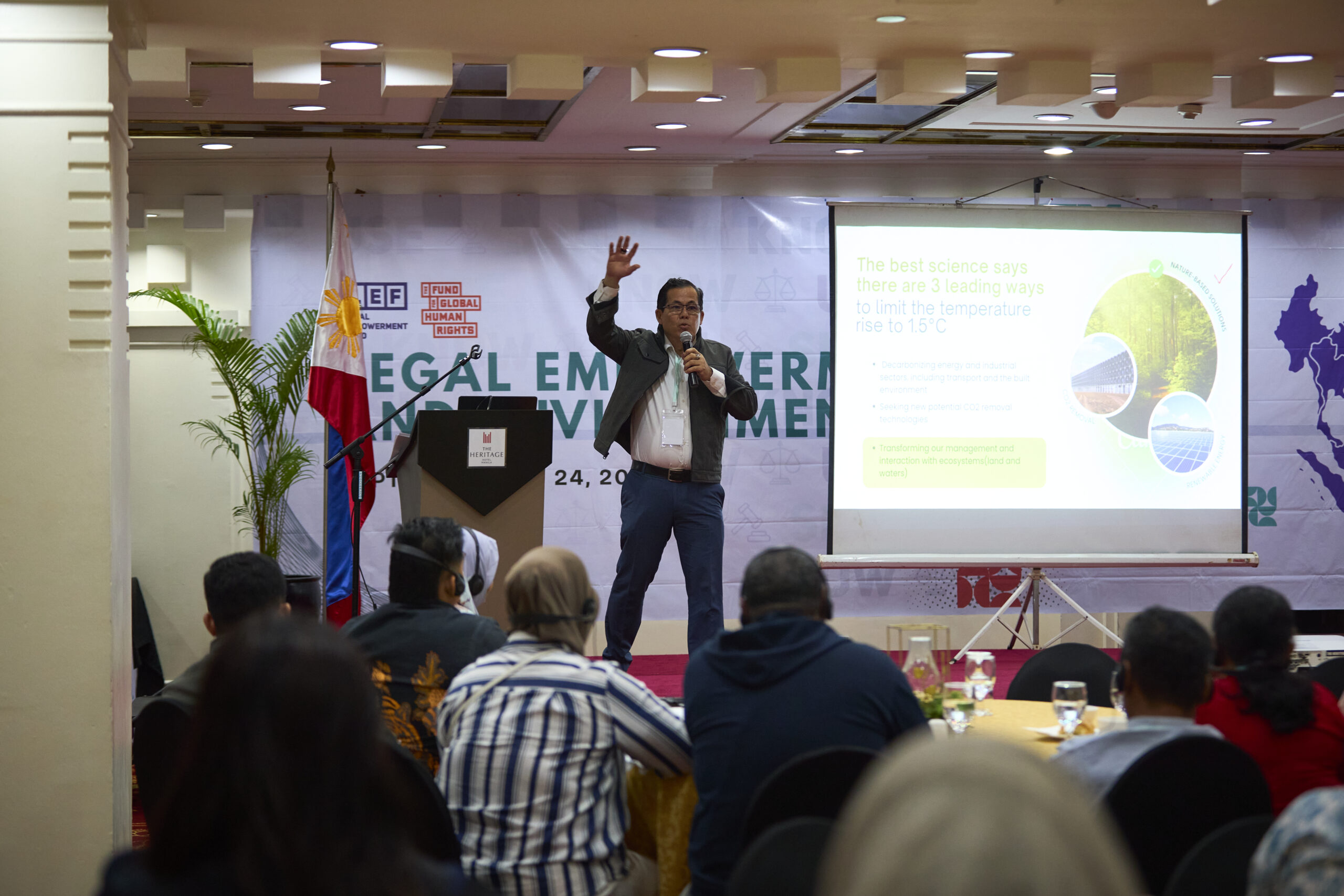
Over three days, groups from Cambodia, Indonesia, Malaysia, Myanmar, and the Philippines mapped the intersecting forces driving environmental injustice—extractive economies, weak governance, militarization, and corporate capture. They spoke about the deep inequality embedded in land ownership systems, and how authoritarian practices have crept into environmental governance.
“In our context, legal empowerment means reminding people that they have a voice—and that the law should listen to them,” said a participant from Myanmar.
These conversations moved beyond documentation of harm. Participants discussed how legal empowerment can serve as an organizing framework—connecting advocacy, community education, and local justice systems into a broader movement for structural change.
Access to justice—and to language
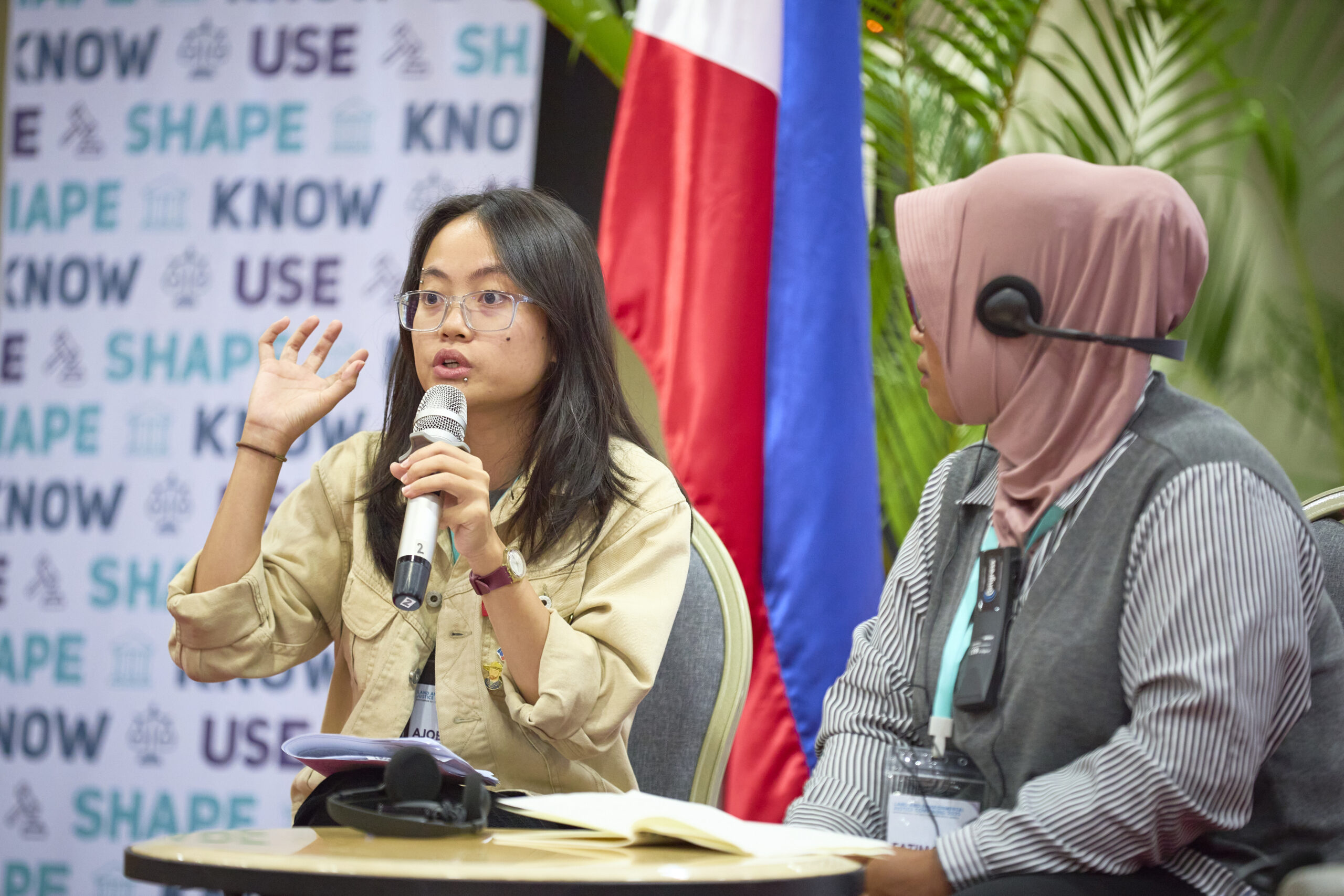
Another powerful moment came from a quiet realization: almost every participant had ticked “English” as their preferred language before the convening, even though not all were fluent. This small detail reflected a larger truth—that power in global justice spaces is often tied to English fluency.
“Not speaking English doesn’t mean we don’t do good work,” one participant said. “It just means the system isn’t designed for us.”
For the Legal Empowerment Fund, this underscored that building inclusive movements also means breaking down invisible hierarchies of language—ensuring that justice work is valued and understood in the languages people live and organize in.
That is why the convening itself was designed with interpretation throughout, allowing participants to engage in the languages where they think, feel, and lead. The Legal Empowerment Fund continues to prioritize this commitment—providing interpretation not only in convenings but also in everyday communication with grantees—because access to justice must begin with the right to be heard and understood.
Building strategies of care and resistance
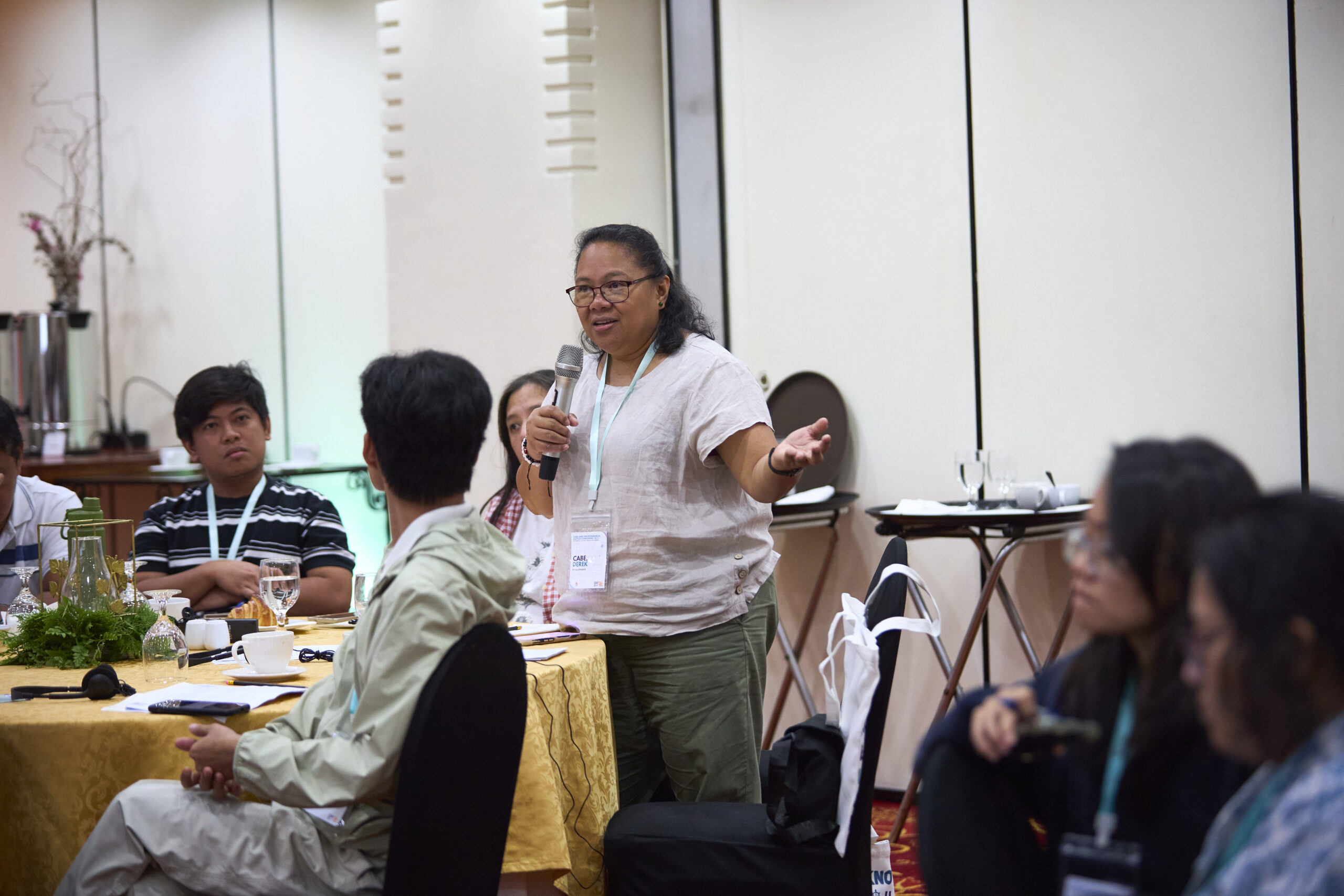
Throughout the convening, participants exchanged experiences of how communities are redefining justice from the ground up.
- In Indonesia and the Philippines, community-based justice systems are protecting people where courts have failed.
- In Cambodia and Malaysia, organizers are strengthening safety networks for environmental defenders.
- Across the region, young organizers are reshaping the public narrative—centering community voices, countering disinformation, and telling their own stories of resistance and care.
“For us, storytelling is part of justice,” a participant from Indonesia shared. “It’s how we make our work visible—how we remind people that communities have solutions.”

What comes next
By the final day, the discussions had turned into plans. Participants envisioned a regional defenders network to share tools and strategies, joint advocacy around Association of Southeast Asian Nations (ASEAN) frameworks, and new opportunities for exchange and learning. There was also a call to build more spaces like this one—places where grassroots organizers can learn together, across borders, without fear.
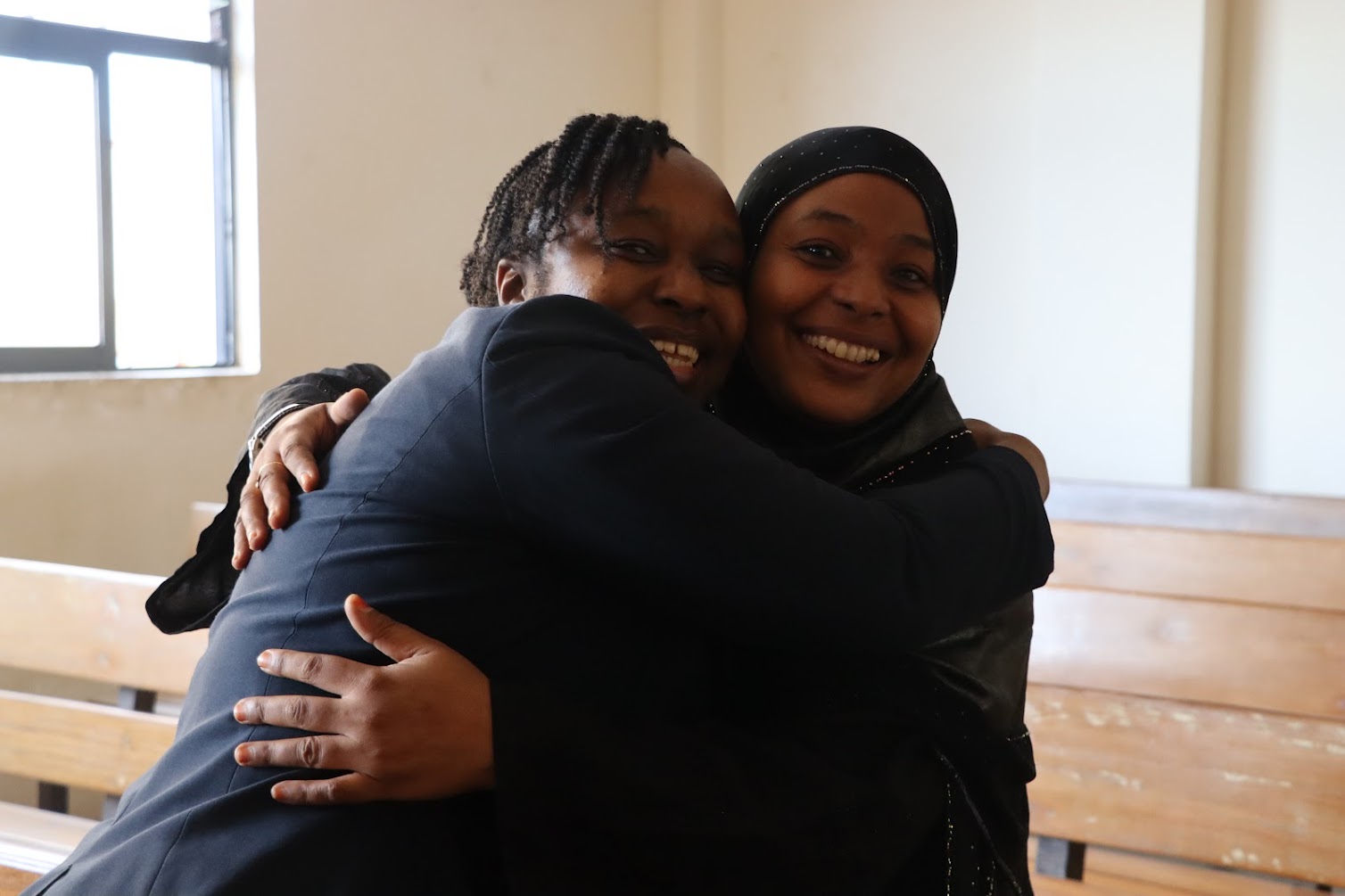
Maria, one of the LEF team members who helped lead and facilitate the convening, reflected: “We cannot build collaboration if people remain strangers. This space allowed people to connect and see that their struggles—and their hopes—are shared.”
The Legal Empowerment Fund remains committed to nurturing these connections. In a region where the space for dissent is closing, bringing people together to build power—and protect each other—is itself a radical act of justice.
Because legal empowerment does not end in the courtroom. It begins wherever people organize, resist, and reclaim the power to decide their own future.