For many women with disabilities, the first barrier to justice appears long before entering a courtroom or seeking legal support.
Around the world, laws, policies, and services may exist, but they are often shared through systems and formats that were not designed to be accessible. Legal documents can remain available only as printed materials or digital files like PDFs that are not compatible with screen readers or assistive technologies. This contributes to lower legal literacy among women with disabilities, who are often excluded from independently finding information about their rights, legal protections, and available support.
Women living in rural areas can face additional compounding barriers, including distance, transportation costs, inaccessible infrastructure, and limited availability of legal services. Communication barriers can also make traditional legal support systems difficult to navigate for women with visual, hearing, psychosocial, or intellectual disabilities.
For Access Planet, an organization advancing the rights and leadership of girls and young women with disabilities in Nepal, these challenges raised an important question: What would legal empowerment look like if information, tools, and support were built around the experiences of the communities who face these barriers every day?
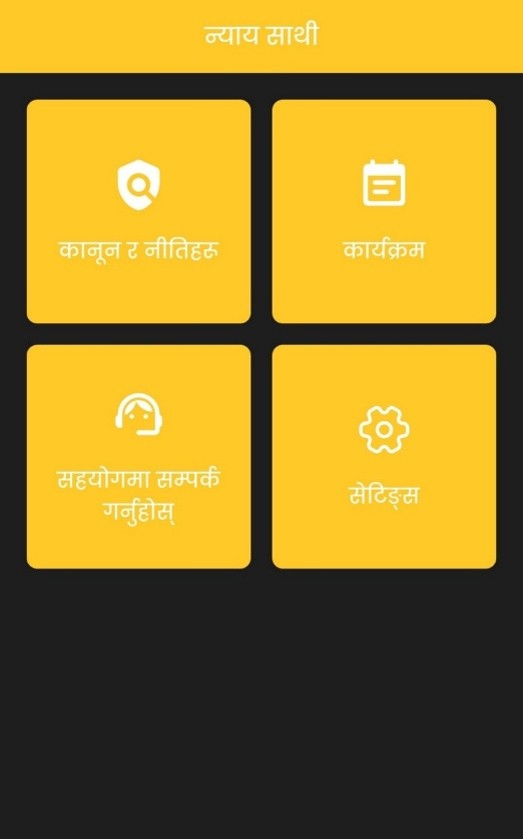
With a Learning and Innovation Grant from the Legal Empowerment Fund (LEF), Access Planet began exploring that question through Nyaya Sathi (Justice Companion)—an app developed to bring legal information, resources, and support closer to women with disabilities.
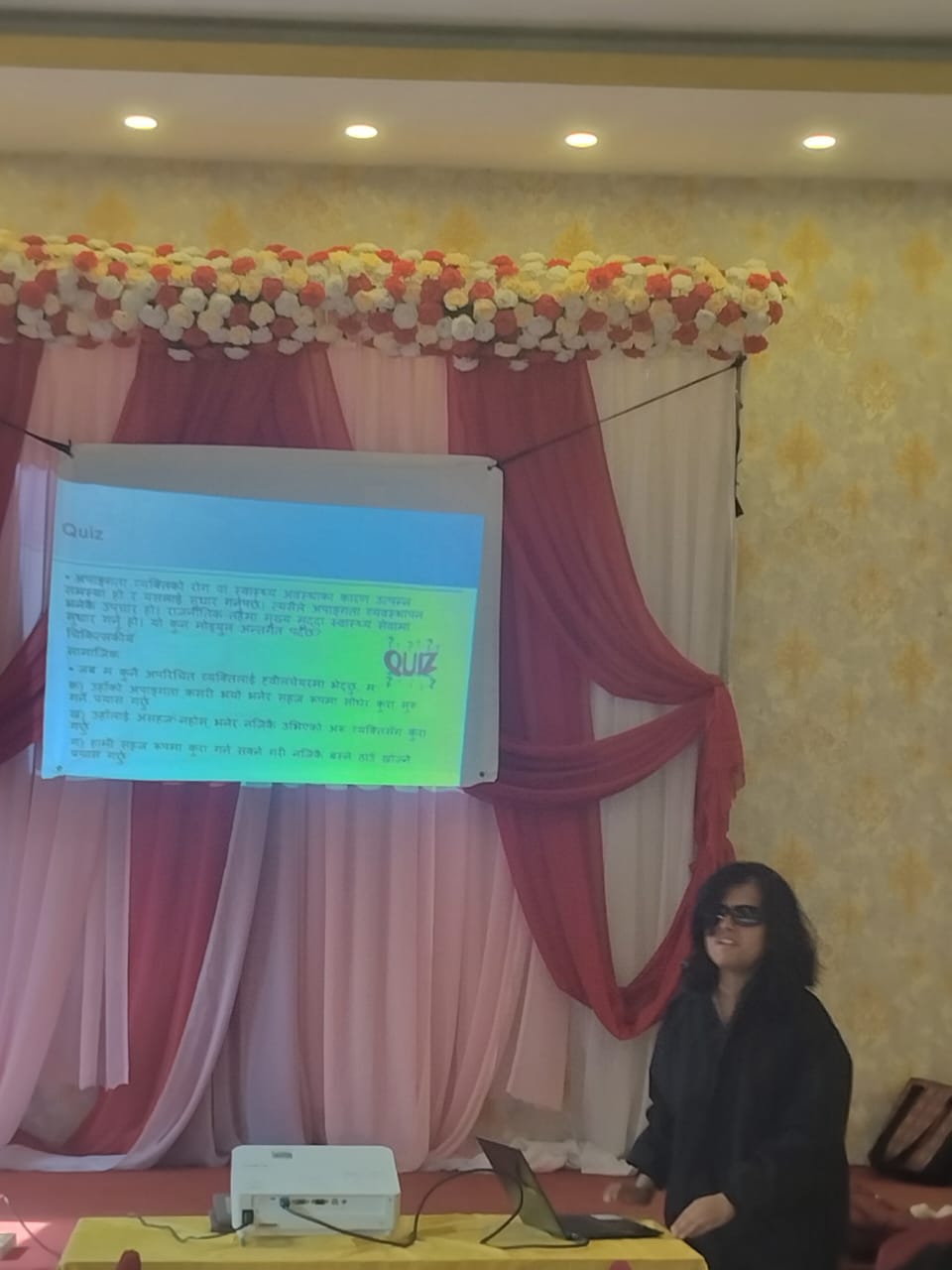
Through Nyaya Sathi, women with disabilities can find information related to disability rights, gender-based violence, property rights, employment rights, family law, and other legal protections. The platform is also being developed to connect women with disabilities to pro bono lawyers and legal professionals, reducing barriers created by distance, cost, and inaccessible physical spaces.
Beyond legal information, Access Planet also sees the platform as a space for connection. Many women with disabilities experience isolation and limited opportunities to participate in public life. Nyaya Sathi aims to create opportunities for women to share experiences, discuss challenges, and strengthen collective advocacy.
LEF’s Learning and Innovation Grants support organizations to test ideas, learn from their work, and explore community-driven approaches that strengthen legal empowerment. For Access Planet, this has created space to develop an approach shaped by the people it aims to serve.
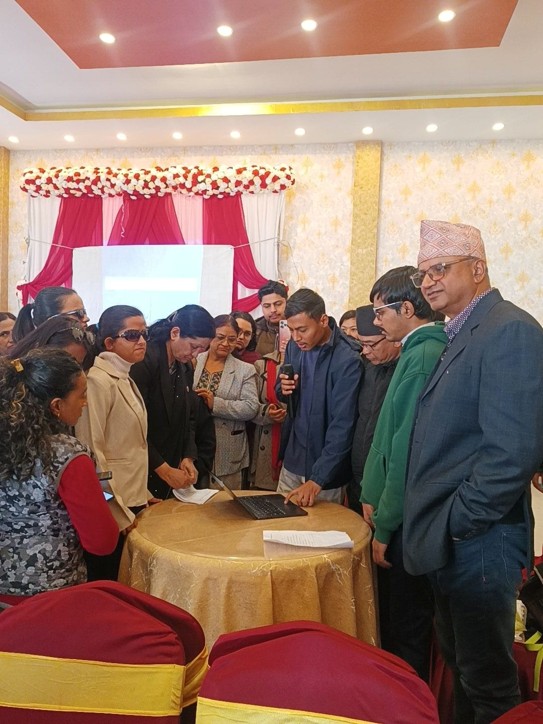
From the beginning, women with disabilities were central to the development process. Access Planet formed an expert committee of persons with disabilities and accessibility experts who helped shape the app’s content, structure, navigation, communication methods, and compatibility with assistive technologies.
Nyaya Sathi was not simply designed for women with disabilities—it was developed with them. “The process also revealed how deeply accessibility gaps are embedded within existing systems,” Access Planet shared.
When Access Planet began developing the platform, the team initially struggled to find developers with experience building accessible software. One early partner ultimately withdrew from the project because they were not confident, they could meet the accessibility requirements.
The team also faced challenges accessing legal documents in usable formats. Many government policies and legal resources were only available as inaccessible PDFs, requiring Access Planet to manually convert materials before they could be included in the app.
These challenges reinforced why the work was needed in the first place: Accessibility cannot be treated as an addition after systems are built. It has to be part of the foundation.
The work is still in its early stages. Access Planet is continuing to expand legal resources, recruit lawyers, and strengthen the platform so it can reach more women over time.
But the process has already shown an important lesson: Innovation in justice does not always mean creating something entirely new. Sometimes, it is about redesigning existing systems so that the people historically excluded from them can participate.
For Access Planet, Nyaya Sathi is more than a mobile application. It is part of a broader effort to build a future where women with disabilities can understand their rights, advocate for themselves, and shape the systems that affect their lives.
As Nyaya Sathi continues to evolve, Access Planet is building on lessons from the process to strengthen the platform and ensure it continues responding to the experiences and needs of women with disabilities. Alongside their efforts, LEF will continue documenting these learnings to better understand how community-driven innovations can expand legal empowerment in practice.
This story was produced by the Legal Empowerment Fund in collaboration with Access Planet.
About Access Planet
Access Planet is an organization based in Nepal working to advance the rights, leadership, and empowerment of girls and young women with disabilities. Through technology, legal empowerment, economic opportunities, leadership development, and advocacy, Access Planet works to create more inclusive systems where women with disabilities can access information, exercise their rights, and participate fully in society.