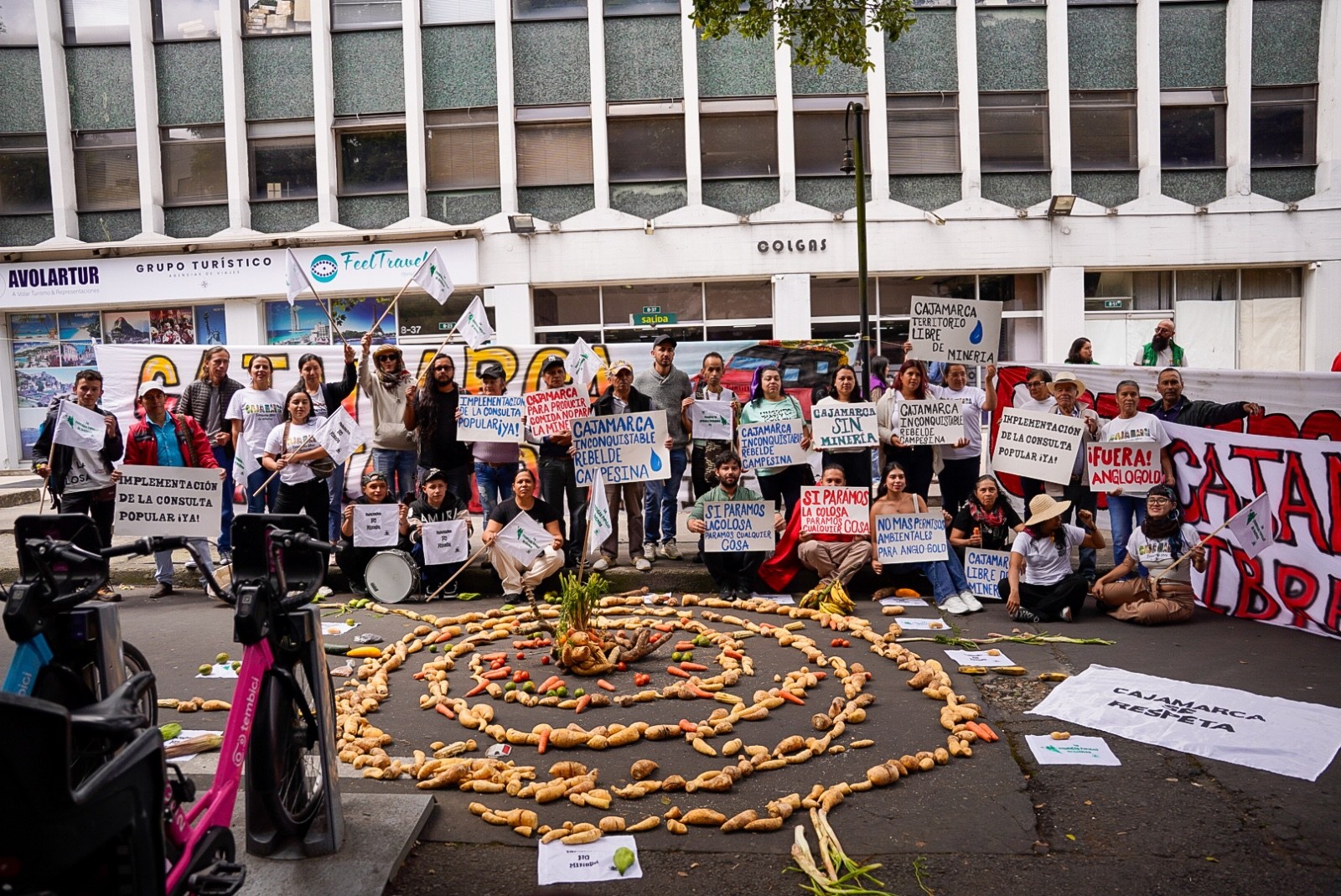
For communities living in Cajamarca and Anaime—two agricultural municipalities in the Andean region of Colombia—defending their territory means protecting the mountains, páramo, rivers, and water that sustain their lives.
Communities and organizations in the region, including Fundación Madre Tierra (FUNMATI), an LEF grantee partner and grassroots organization supporting communities to defend their territory and environmental rights, have worked for years to protect Cajamarca and Anaime from mining interests through organizing and mechanisms for citizen participation and territorial decision-making.
In February 2026, the municipality of Cajamarca approved an agreement declaring 33 properties owned by the mining company AngloGold as areas of public utility and social interest. After undergoing the required reviews, the decision became final on April 15.
For those who have been part of the territorial defense process, the decision represented an important moment—but also the beginning of a new phase.
“The day the municipal agreement was approved, Cajamarca won, life and water won,” said Sofía Medina García, a member of the Environmental and Campesino Committee of Cajamarca and Anaime.
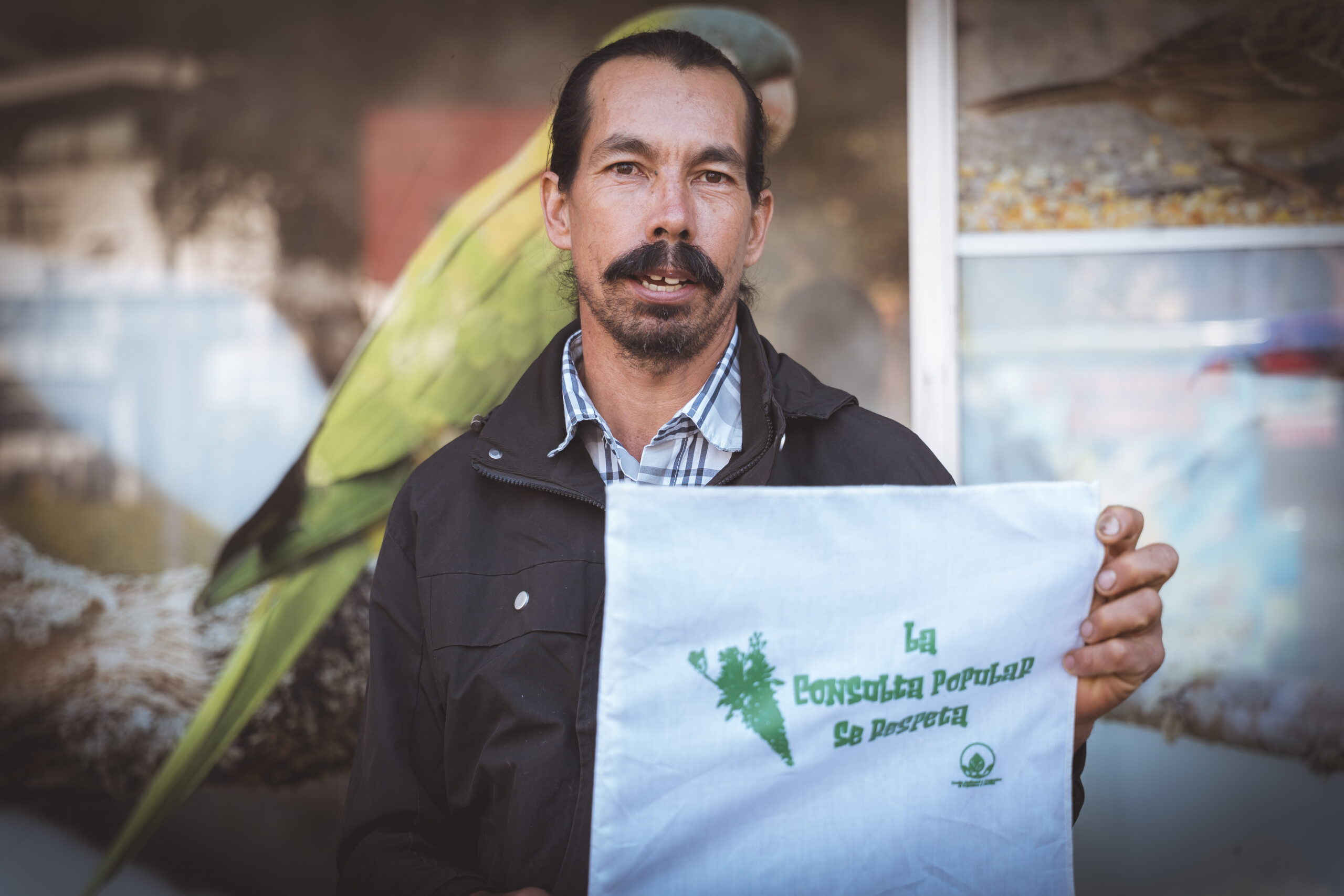
A victory for the territory
The decision was a milestone for those who have worked to protect the territory as a source of life, food, and water.
Medina García described the struggle against mining interests as one that has come with threats, confrontation, and the loss of lives. At its center, she said, is a community that knows that “water is worth more than gold” and that continues to defend its sovereignty over land that sustains people far beyond the municipality itself.
Flor Alba Castellanos, another member of the Environmental and Campesino Committee of Cajamarca and Anaime, also described the decision as a victory.
For Castellanos, protecting the 33 properties is a source of “triumph and joy” and demonstrates how communities can use different mechanisms of citizen participation to continue safeguarding their territory. Cajamarca, she emphasized, has always been agricultural rather than mining territory.
For both women, the decision is part of a much longer collective process.
“It was an achievement of everyone,” Medina García said. “A process of a whole lifetime that today bears fruit and continues to stand together in the defense of our greatest wealth: our mountains, our páramo and our rivers.”
Using legal and civic tools to defend territory
The Cajamarca process illustrates how communities can use legal and participatory mechanisms to advance their own priorities and protect the territories on which they depend.
The municipal agreement now provides an important territorial and environmental planning measure. According to FUNMATI, the designation must be incorporated into future updates of the municipality’s territorial planning instruments.
The decision has also opened new political possibilities. Discussions have begun with the Colombian national government about the feasibility of the state purchasing the properties from the mining company and transferring them to campesino communities—rural farming communities whose livelihoods and collective life are closely connected to the land—through agrarian reform.
At the same time, the process is already attracting interest elsewhere. FUNMATI reports that four other organizing processes in Colombia have expressed interest in pursuing similar municipal public-utility agreements.
This points to a broader possibility: a mechanism developed through one territorial struggle may be a tool for communities elsewhere seeking to protect their own territories.
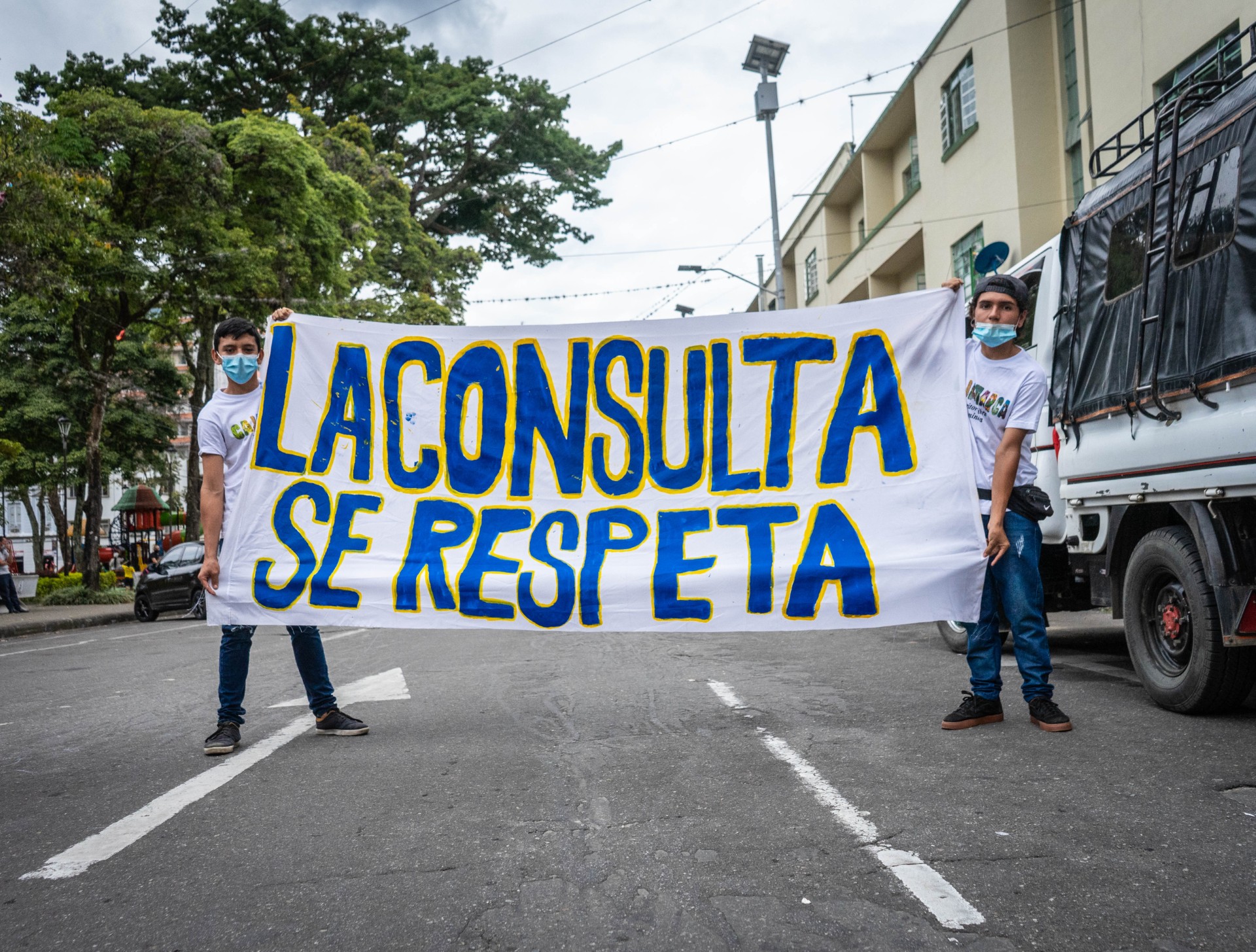
The work is not over
The decision is now beginning to take effect, but FUNMATI cautions that it is still too early to say what its full impact will be on communities’ ability to access, use, or protect their land.
For now, the most visible changes have been in the political and public discussion around the territory. FUNMATI is also monitoring possible legal action by the mining company in response to the decision.
Meanwhile, the mining context in Cajamarca is changing. The company that owns the La Colosa mining project and the properties covered by the agreement announced the sale of the company and project to a new mining company, Mineros S.A.
For FUNMATI, this both demonstrates the significance of the work already undertaken and marks a new challenge for the territorial defense process.
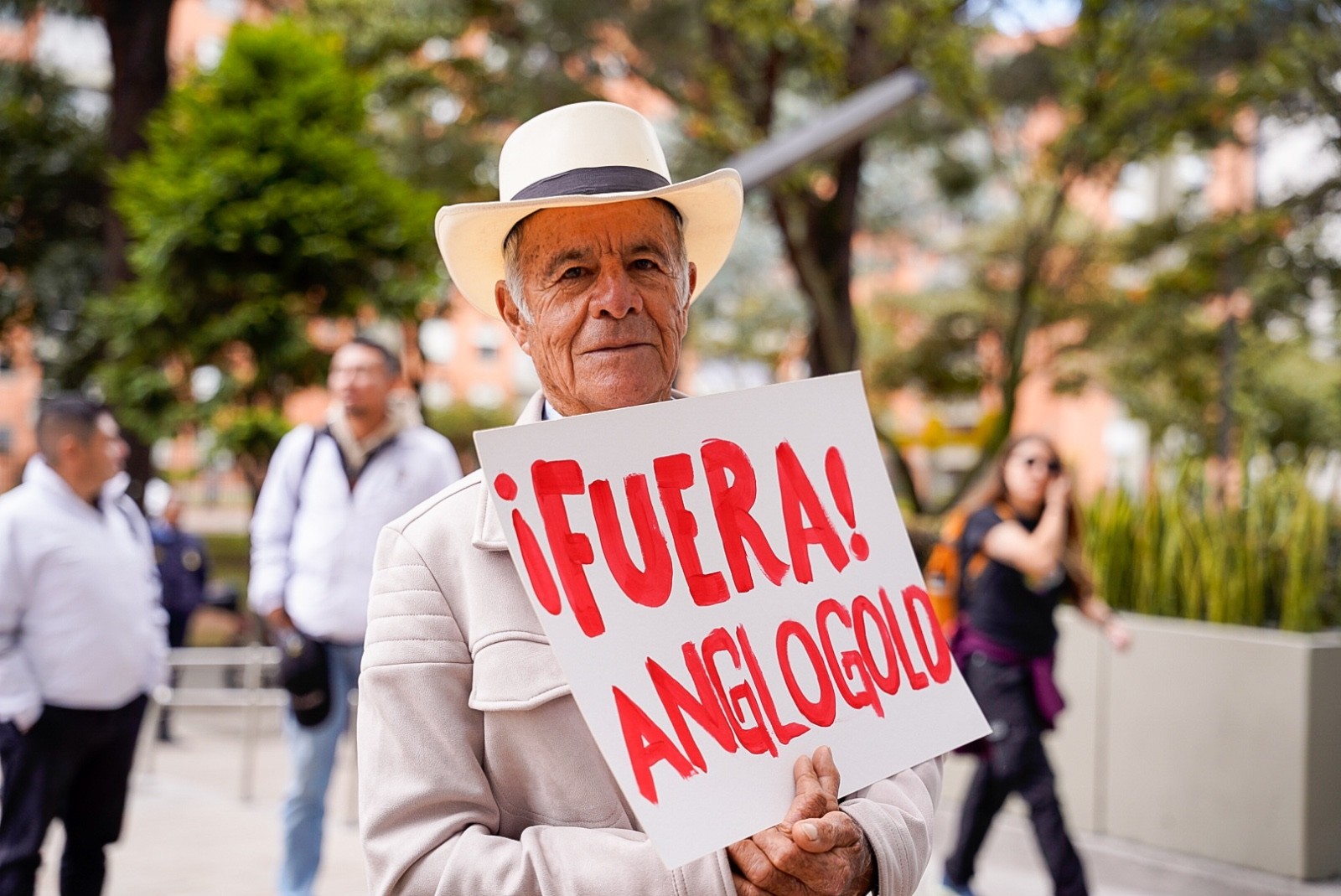
A collective struggle that continues
For the communities defending Cajamarca, the municipal agreement is not the end of the struggle. It is a new point from which to continue protecting the territory.
The outcome demonstrates what sustained community organizing and the use of legal and participatory tools can make possible: creating new protections for territory, opening political space for communities to shape what happens to their land, and inspiring other communities to explore similar approaches.
For Medina García, the significance of the moment is inseparable from the land itself. The mountains, páramo, and rivers are not only part of the landscape, but the foundation of the community’s food, water, livelihoods, and collective life. As she put it:
“For this territory, even life itself.”
The next stage will be about ensuring that the decision is implemented, continuing to defend the territory, and determining what new possibilities it can create for the communities of Cajamarca and Anaime.
This story was produced by the Legal Empowerment Fund in collaboration with Fundación Madre Tierra (FUNMATI).
About Fundación Madre Tierra
Fundación Madre Tierra works to build a future in harmony with the Earth by restoring ecosystems, protecting water, and strengthening relationships between communities and nature. Its work includes reforestation with native trees, protecting and restoring water sources, promoting sustainable practices, and supporting communities through environmental education, participation, and strategic alliances.