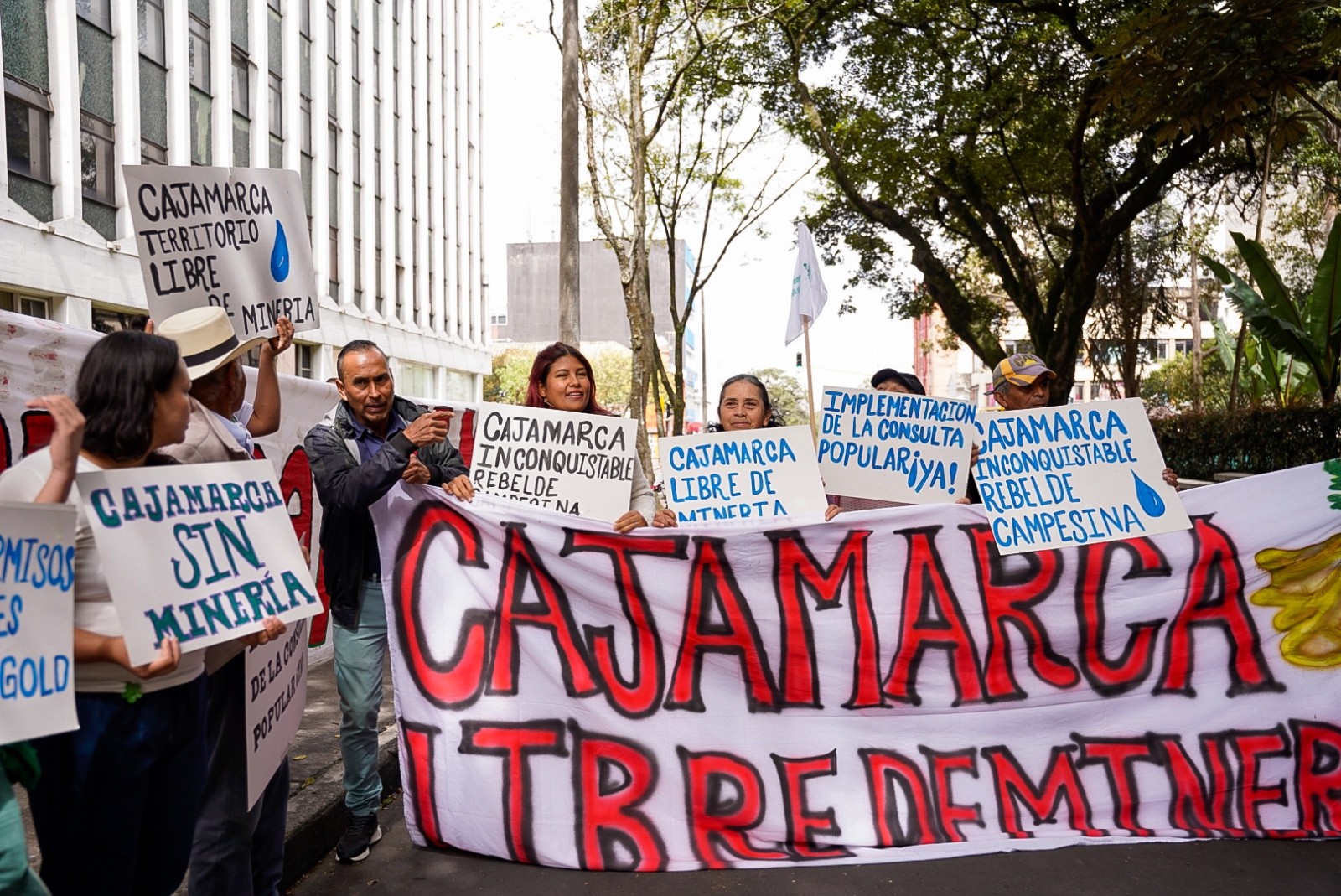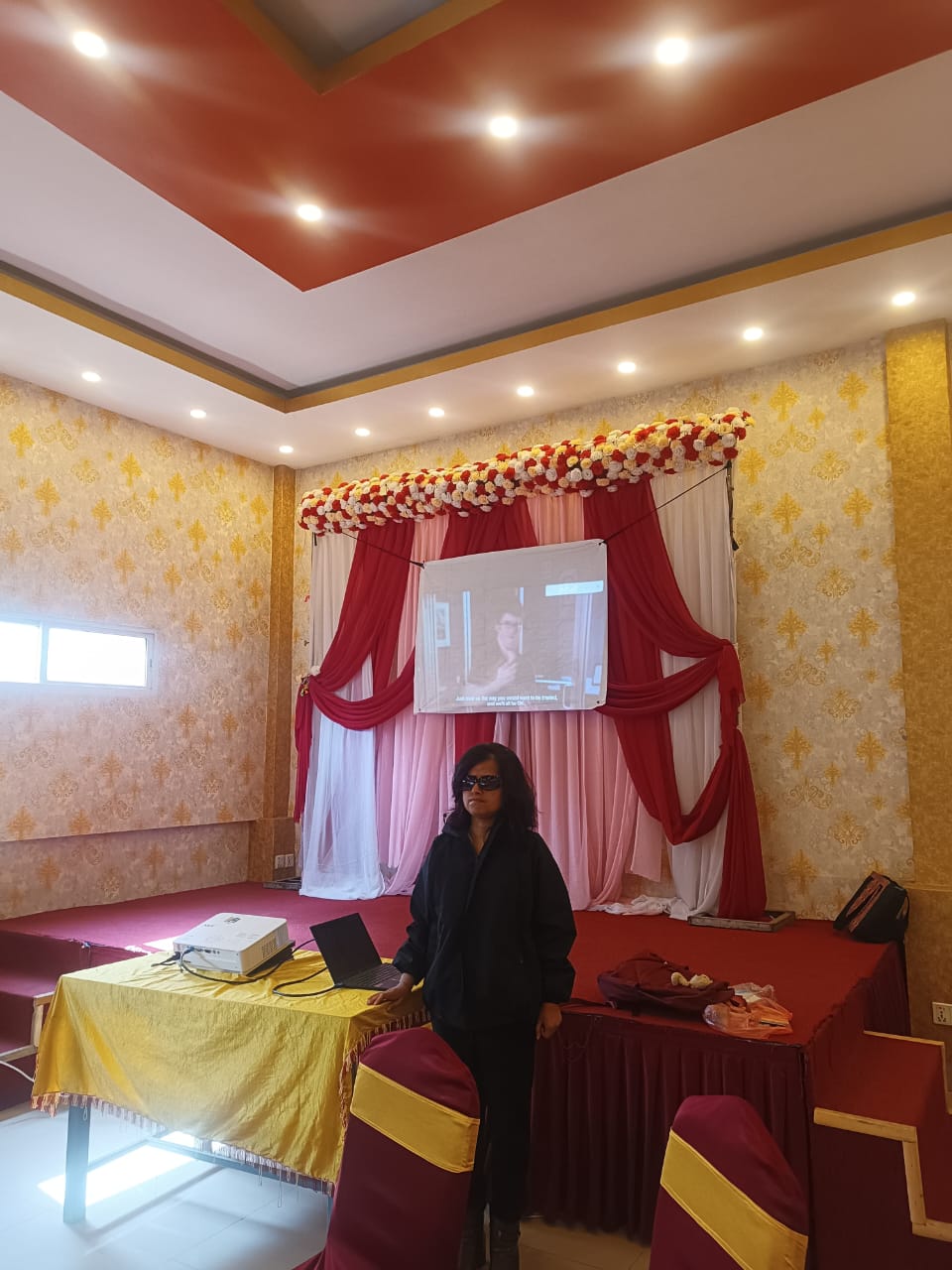
For organizations working alongside incarcerated and formerly incarcerated people, justice does not begin and end inside a courtroom.
Across Brazil, Mexico, and the United States, organizations led by and working alongside people impacted by incarceration are addressing the harms of justice systems through education, healing, organizing, advocacy, and care.
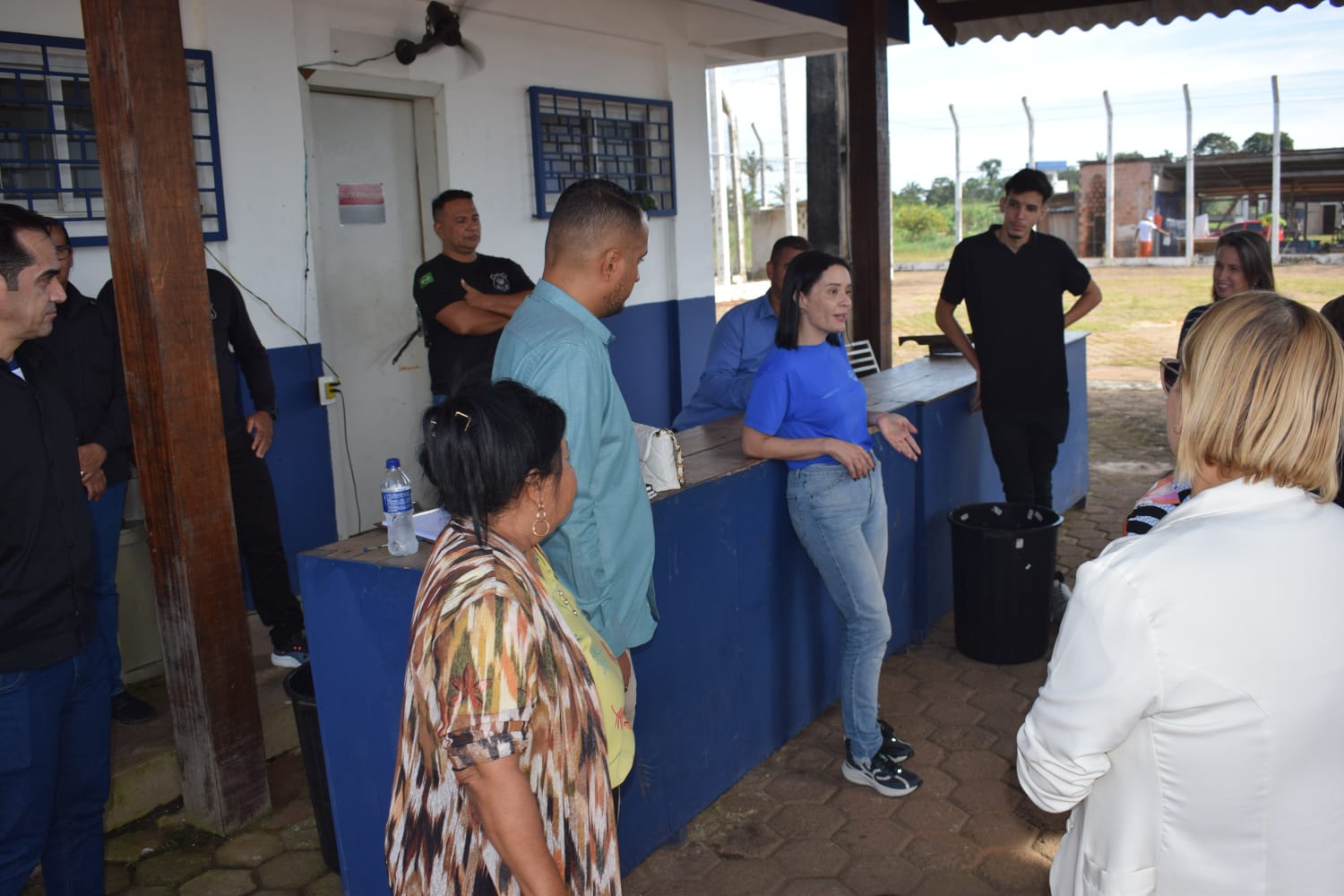
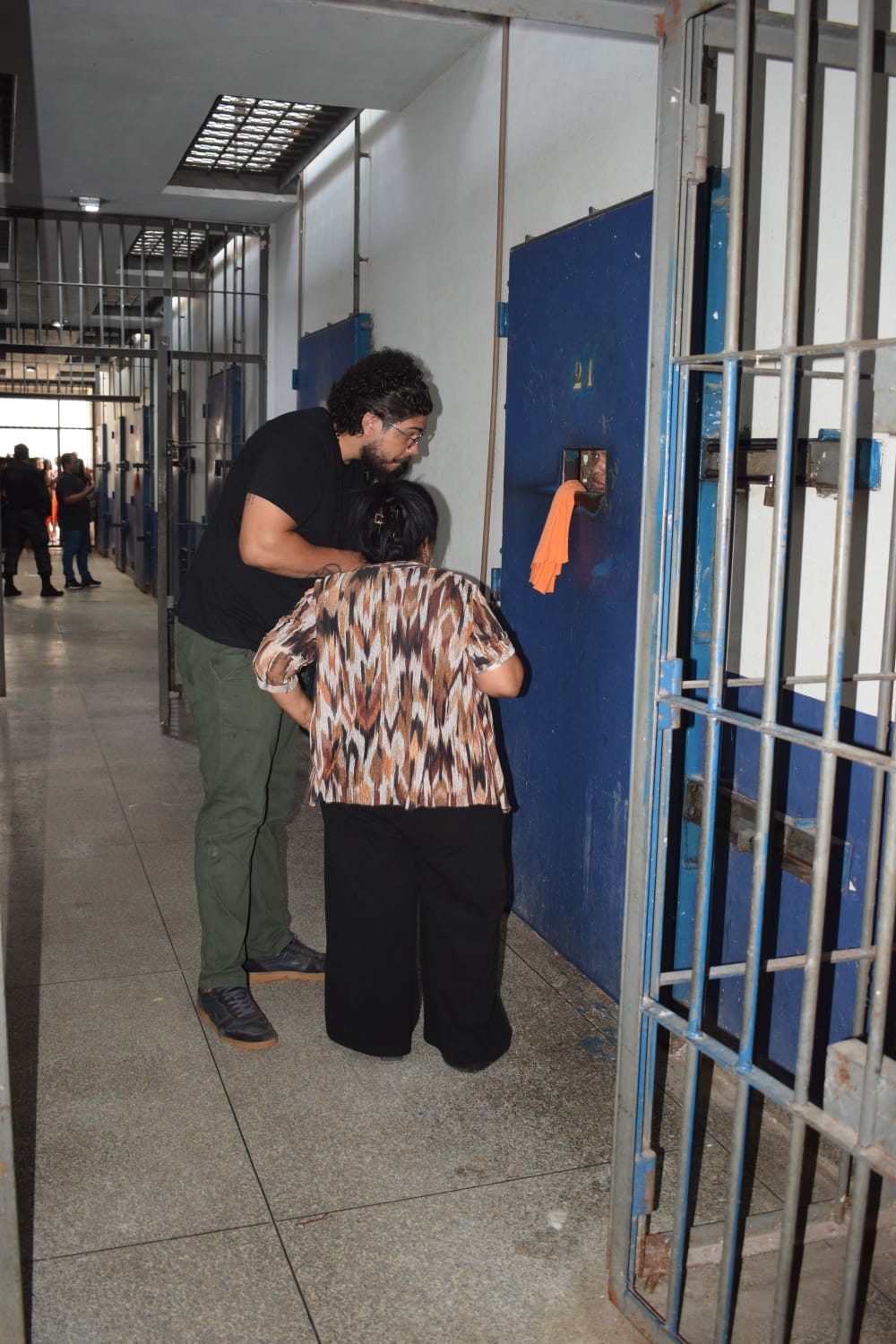
For AFAPARO in Brazil, this work means supporting the rights of people who are incarcerated and those rebuilding their lives after prison. Through visits to prisons and recovery spaces, the organization works directly with incarcerated people and those returning home, supporting them to understand their rights while bringing their experiences into conversations around policy, inequality, and the implementation of laws and international standards.
“The exchange of experiences strengthened us and opened our eyes to other realities,” AFAPARO reflected. “We could see how people around the world are affected by social inequality.”
Their experience reflects what many organizations working with communities impacted by incarceration have long understood: Legal empowerment is not only about responding to individual legal problems. It is about supporting communities to build the knowledge, relationships, and collective power needed to address the systems shaping their lives.
These lessons are captured in the newly released Legal Empowerment Across Borders toolkit, developed collaboratively by the Legal Empowerment Fund (LEF), the Bernstein Institute for Human Rights, and organizations working with incarcerated and formerly incarcerated women across different regions.
Available in a summarized version, the resource brings together strategies, reflections, and practices shaped by organizations using legal empowerment to support communities impacted by incarceration. It documents approaches developed across the cohort—including legal education, advocacy across prison walls, trauma-informed practices, family-centered support, and movement building—and shares lessons for organizations, funders, and others working to strengthen community-led justice.
The toolkit was developed through a participatory process that centered the knowledge and experiences of the organizations involved—creating space for them to exchange strategies, share experiences, and document approaches emerging from their own work.
As the Bernstein Institute reflected: “The convening did not create this power — it brought existing movements and practices into relationship with one another across borders.”
Read and download the Legal Empowerment Across Borders toolkit summarized version, available in English, Spanish, and Portuguese.
In Mexico, CAMT Chihuahua shared that the process strengthened their work providing legal education to women in vulnerable situations and to those responsible for protecting and guaranteeing rights. They highlighted the importance of trust and collaboration in creating new areas of action for their organization.
For Homegirlz del Corazón, supporting women returning home from incarceration means creating spaces for healing, connection, and leadership. Their work is rooted in the understanding that rebuilding lives after incarceration requires more than legal assistance alone. It requires community, confidence, and support.
As Homegirlz shared “true freedom begins from the inside out.”
For Defying Legal Gravity, legal empowerment extends beyond prison walls. Many of the young people they work with face overlapping challenges across criminal, housing, immigration, and family law systems. Their legal education approach supports young people to better navigate these systems and advocate for themselves.
Together, these experiences challenge narrow ideas of what justice work looks like.
The strategies documented through the process show that legal empowerment can include legal education, community organizing, trauma-informed practices, family-centered advocacy, and movement building.
Documenting Strategies Built Through Experience
The Legal Empowerment Across Borders toolkit grew from exchanges between 13 groups, bringing together strategies developed by organizations working directly with affected communities.
The process was designed differently from a traditional technical exchange. Organizations shaped discussions, facilitated sessions, shared practices from their own movements, and identified the lessons they wanted to carry forward.
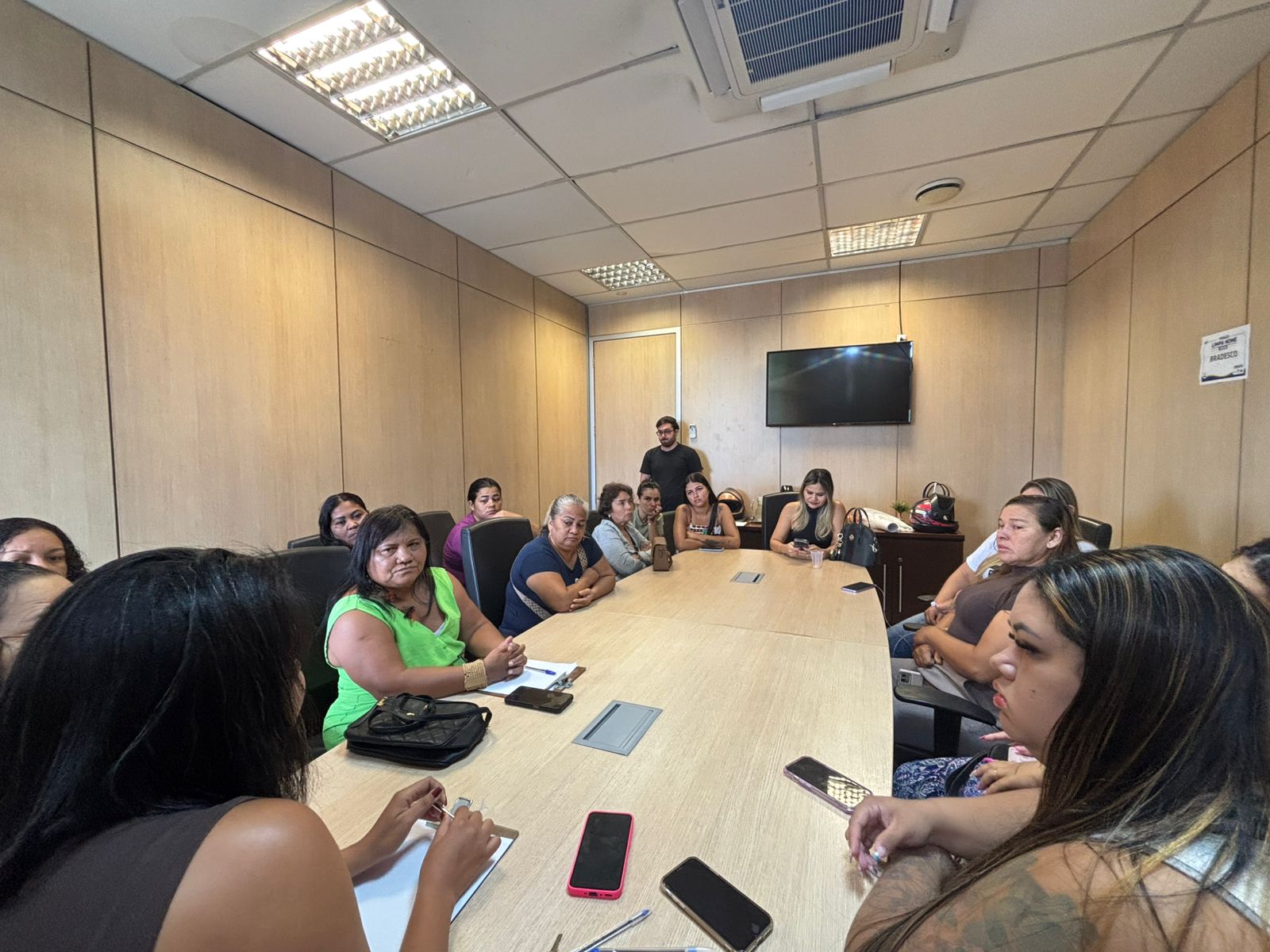
One of the strongest reflections from the process was that legal empowerment cannot be understood as a single intervention.
The organizations involved showed how communities combine legal knowledge with healing, storytelling, mutual support, and advocacy to create pathways toward longer-term change.
The exchanges also highlighted that strategies cannot simply be transferred from one context to another. While communities across regions often face similar patterns of exclusion and inequality, solutions must be shaped by local realities, histories, and leadership.
Supporting the Conditions for Communities to Lead
The lessons from this process point to a broader question for funders, institutions, and organizations supporting legal empowerment: What does it take to sustain community-led justice work?
For the Bernstein Institute, one answer is ensuring that support for legal empowerment reflects how this work happens in practice—through long-term relationships, trust, peer learning, and community leadership.
Supporting legal empowerment means investing not only in individual projects but also in the relationships, learning, and infrastructure that allow communities to connect and strengthen their work over time.
It also requires shifting how institutions understand their role—moving away from being the primary experts and toward becoming facilitators, connectors, and long-term partners that are accountable to community priorities.
For AFAPARO, the foundation remains simple: empathy and recognizing the dignity of people experiencing vulnerability.
“No one experiencing situations of vulnerability wants to live in those conditions,” they shared. “They need support and care.”
The Legal Empowerment Across Borders toolkit captures one part of this broader movement: communities using their knowledge and experiences to understand, use, and shape the law—and to work toward justice systems grounded in dignity, accountability, and care.
Read and download the Legal Empowerment Across Borders toolkit summarized version, available in English, Spanish, and Portuguese, to learn more about the community-led approaches shaping justice beyond prison systems:
This piece was produced by the Legal Empowerment Fund in collaboration with the Bernstein Institute for Human Rights and the grantee partners whose knowledge, experiences, and community-led strategies shaped the Legal Empowerment Across Borders toolkit.